 ultimate-guide
Are Dental Veneers Really Necessary?
Table of Contents
- What Are Dental Veneers?
- Are Dental Veneers Really Necessary?
- The Benefits and Drawbacks of Veneers
- How Long Do Dental Veneers Last?
- Composite vs Porcelain Veneers Cost
- Dental Veneer Alternatives Worth Considering
- Making an Informed Decision
- Frequently Asked Questions
Last Updated: September 30, 2026
What Are Dental Veneers?
Dental veneers are thin shells of porcelain or composite resin that bond to the front surface of your teeth to improve their appearance. They're custom-made to match your natural tooth colour and shape, covering chips, stains, gaps, and misalignment that affect your smile's aesthetics.
There are two main types. Porcelain veneers are stronger, more stain-resistant, and last longer, typically 10-15 years or more. Composite veneers are less expensive and require less tooth preparation, but they're more prone to staining and chipping, usually lasting 5-7 years.
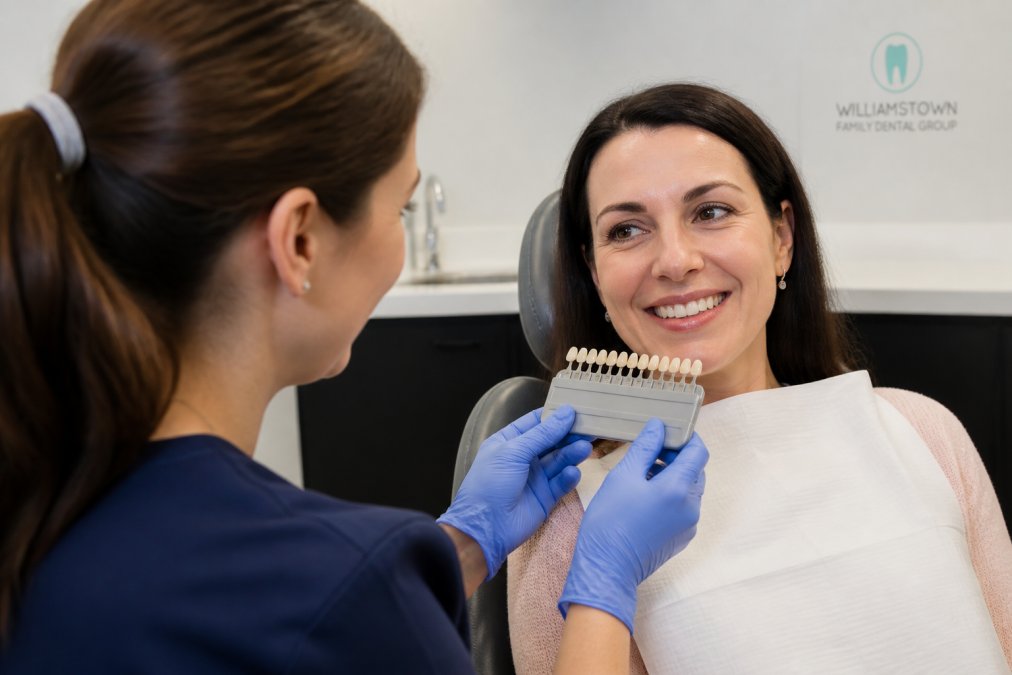
The veneer process involves removing a thin layer of enamel from your tooth's front surface, taking impressions, and then bonding the custom shell permanently in place. It's a cosmetic procedure, not a structural repair. Your dentist will assess whether your teeth can support veneers and whether they're the right choice for your specific situation.
Are Dental Veneers Really Necessary?
Whether dental veneers are really necessary depends entirely on your goals and concerns. Veneers aren't necessary for oral health, they're a cosmetic choice. If you're happy with your smile, you don't need them. But if discoloured, chipped, or gapped teeth affect your confidence or how you interact socially, they can make a meaningful difference.
Many people pursue veneers because they've tried other options first. Professional whitening doesn't work on severe stains or discolouration caused by medication or age. Orthodontics takes years and addresses alignment, not surface damage. Veneers offer a faster solution for specific cosmetic concerns that other treatments can't resolve.
The key question isn't whether veneers are "necessary", it's whether they address your actual concern. If you're considering them because a dentist suggested them without exploring why you want to change your smile, that's worth questioning. A consultation with an experienced dentist at Williamstown Family Dental Group can help clarify whether veneers solve your specific problem or whether a simpler, less invasive option would work better.
The Benefits and Drawbacks of Veneers
Veneers offer genuine advantages. They're highly customisable, matching your desired tooth shape, size, and shade. They look natural because they mimic real tooth structure. And if you choose porcelain, they're durable and resistant to staining.
The drawbacks matter equally. The procedure is irreversible, removing enamel is permanent, even if you later decide veneers aren't right for you. You'll likely need replacement veneers eventually, which means more expense and more enamel removal over time. Veneers can chip or crack if you bite down on hard objects or grind your teeth at night. They're not suitable for everyone, if you have significant decay, gum disease, or weak teeth, your dentist may recommend other options first.
Maintenance is ongoing. Veneers require the same care as natural teeth: brushing, flossing, and regular dental check-ups. Some foods and habits, like chewing ice, biting your nails, or opening packages with your teeth, increase the risk of damage. And if you grind your teeth, you'll need a night guard to protect your investment.
How Long Do Dental Veneers Last?
Porcelain veneers typically last 10-15 years, sometimes longer with excellent care. Composite veneers last 5-7 years on average. The difference comes down to material durability and wear patterns.
Several factors affect longevity. Your oral hygiene habits matter, neglecting brushing and flossing accelerates wear. Your bite mechanics matter too; if you clench or grind your teeth, veneers wear faster. Your diet plays a role; frequent consumption of staining foods and drinks can discolour composite veneers more quickly. And your dentist's skill in placement directly influences how well veneers bond and how long they stay intact.
Most people eventually need replacement veneers. This isn't a failure, it's expected maintenance, similar to how fillings eventually need replacing. Each replacement removes slightly more enamel, so some dentists recommend exploring alternatives if you've already had veneers replaced multiple times.
Composite vs Porcelain Veneers Cost
Composite veneers cost less upfront because they require less preparation time and fewer lab procedures. Porcelain veneers require custom fabrication in a dental laboratory, adding time and expense, but they last significantly longer and resist staining better.
The cost difference is meaningful, but it's worth considering the full timeline. A cheaper composite veneer that needs replacing every 5-7 years may cost more over 15 years than a more expensive porcelain veneer that lasts 10-15 years without staining.
For pricing on veneers and to understand what your specific situation might cost, contact Williamstown Family Dental Group directly. Costs vary based on the number of teeth, the material chosen, and the complexity of your case. Many health funds offer partial coverage for veneers if they're deemed medically necessary (for example, after trauma), so check your policy before committing.
Dental Veneer Alternatives Worth Considering
If you're hesitant about veneers, several alternatives address common cosmetic concerns. Professional teeth whitening works well for staining and discolouration, it's non-invasive, reversible, and significantly cheaper than veneers. It won't fix chips or gaps, but for yellowing or surface stains, it's often the first step.
Dental bonding uses tooth-coloured composite resin to fill chips and gaps without removing enamel. It's less durable than veneers and more prone to staining, but it's reversible and affordable. Many people use bonding as a temporary solution while deciding whether veneers are right for them.
Orthodontics (braces or clear aligners) straightens misaligned teeth over months or years. It's slower than veneers but addresses the underlying structure rather than just appearance. For gaps and mild crowding, orthodontics is often more effective long-term.
Gum contouring reshapes your gum line if your smile shows too much gum. It's a minor procedure that can dramatically change your smile's appearance without touching your teeth.
Crown coverage is an option if a tooth is severely damaged or discoloured. A crown covers the entire tooth rather than just the front, offering more protection but requiring more enamel removal than a veneer.
The right choice depends on your specific concern, budget, and timeline. A consultation with your dentist helps clarify which option actually solves your problem.
Making an Informed Decision
Before committing to veneers, ask yourself honestly: What specifically bothers you about your smile? Is it staining, chips, gaps, or shape? Have you tried less invasive options? Are you prepared for the permanent nature of enamel removal? Can you afford replacement veneers in 10-15 years?
A good dentist will ask these questions too. They'll explain your options clearly, show you realistic previews of how veneers would look, and be honest about whether veneers are the best choice for your situation. If a dentist pushes veneers without exploring alternatives or understanding your actual concerns, that's a red flag.
At Williamstown Family Dental Group, our approach prioritises preventive care and honest recommendations. We understand that cosmetic dentistry should enhance your confidence, not create regret. When veneers are right for you, they genuinely transform your smile. When they're not the best option, we'll say so and suggest alternatives instead.
The decision to get veneers is personal. They're not necessary for oral health, but they can be valuable if they address your specific cosmetic goals. Take time to explore all options, consult with an experienced dentist, and make a choice you'll feel confident about for years to come.
Frequently Asked Questions
Do dental veneers damage your natural teeth?
Veneers require preparation of your natural tooth structure, which involves removing a thin layer of enamel. This process is irreversible. However, when placed by a qualified dentist and properly maintained, veneers do not damage teeth. The key is ensuring the underlying tooth remains healthy and that you follow good oral hygiene practices. Discuss any concerns about tooth preparation with your dentist before proceeding.
What are the long-term implications of getting dental veneers?
Veneers typically last 10 to 15 years with proper care, though some may require replacement sooner. Long-term considerations include the need for eventual replacement, potential sensitivity after preparation, and the ongoing cost of maintenance. Your natural teeth underneath remain vulnerable to decay if oral hygiene is neglected. Regular check-ups and avoiding habits like teeth grinding help extend veneer lifespan and protect your smile.
What is the difference between composite and porcelain veneers?
Composite veneers are applied directly to your tooth in one visit and are less expensive initially. Porcelain veneers are custom-made in a laboratory, typically requiring two appointments, and are more stain-resistant and durable. Porcelain generally lasts longer and maintains its appearance better over time, whilst composite veneers may require more frequent touch-ups. Your dentist can recommend which option suits your needs and budget.
Are there non-invasive alternatives to dental veneers?
Yes. Teeth whitening can brighten discoloured teeth without permanent changes. Orthodontic treatment straightens misaligned teeth over time. Dental bonding uses tooth-coloured resin to address minor imperfections and is less invasive than veneers. Gum contouring can improve smile aesthetics by reshaping gum lines. Each alternative has different timescales and outcomes, so discuss your goals with your dentist to find the right option for you.
Are dental veneers really necessary for your smile? Only you can answer that. What we know is that you deserve honest guidance about what will actually improve your confidence and oral health. At Williamstown Family Dental Group, we provide comprehensive cosmetic and general dental care tailored to your family's unique needs. Book a consultation to discuss your smile goals, explore all available options, and make an informed decision with an experienced dental team you can trust.