 blog
Signs You Need a Dental Checkup: When to Book
Table of Contents
- Why Regular Dental Checkups Matter
- Visible Changes in Your Teeth and Gums
- Bleeding Gums When Brushing: A Common Warning Sign
- Tooth Sensitivity and Discomfort
- How Often Should You Have a Dental Checkup
- Urgent Dental Symptoms That Require Immediate Attention
- Other Signs It's Time to Book Your Appointment
- What Happens During a Routine Dental Checkup
- Frequently Asked Questions
Last Updated: 11 October 2026
Why Regular Dental Checkups Matter
Spotting dental problems early saves you time, money, and discomfort. A regular dental checkup catches issues before they become serious. Small cavities are cheaper and faster to treat than root canals. Gum disease is easier to manage when caught early.
Most people don't realise that signs you need a dental checkup often appear months before pain starts. By then, the problem has usually grown. This is why preventive care matters so much.
At Williamstown Family Dental Group, we focus on catching problems early. Our approach means fewer emergency visits and less invasive treatment down the track. Regular checkups also remove buildup that brushing alone can't reach.
Visible Changes in Your Teeth and Gums
Your teeth and gums send clear signals when something's wrong. Changes in colour, texture, or shape are worth investigating. These visible signs are often your first clue that a dental checkup is overdue.
Discolouration and staining
Tooth discolouration comes in two types: surface stains and internal discolouration. Surface stains appear on the outside and often come from coffee, tea, red wine, or tobacco. These usually respond well to professional cleaning.
Internal discolouration happens inside the tooth. It can result from old fillings, medication, or damage. This type requires a dentist's assessment to determine the best approach.
If your teeth have yellowed or darkened recently, book a checkup. Your dentist can identify the cause and recommend treatment. Sometimes it's just surface staining. Other times it signals decay or other issues underneath.
Visible cracks or chips
Cracks and chips aren't just cosmetic concerns. They can trap bacteria and lead to infection. Even small cracks can spread over time if left untreated.
You might notice a crack from biting something hard or from wear over years. Some cracks are obvious. Others are hairline fractures you can barely see. Either way, they deserve professional attention.
A dentist can assess whether a crack needs repair now or monitoring. Small chips might just need smoothing. Larger damage might require bonding or a crown. The sooner you get it checked, the simpler the fix usually is.
Bleeding Gums When Brushing: A Common Warning Sign
Bleeding gums when brushing is one of the clearest signals that signs you need a dental checkup are present. Healthy gums don't bleed. If yours do, something needs attention.
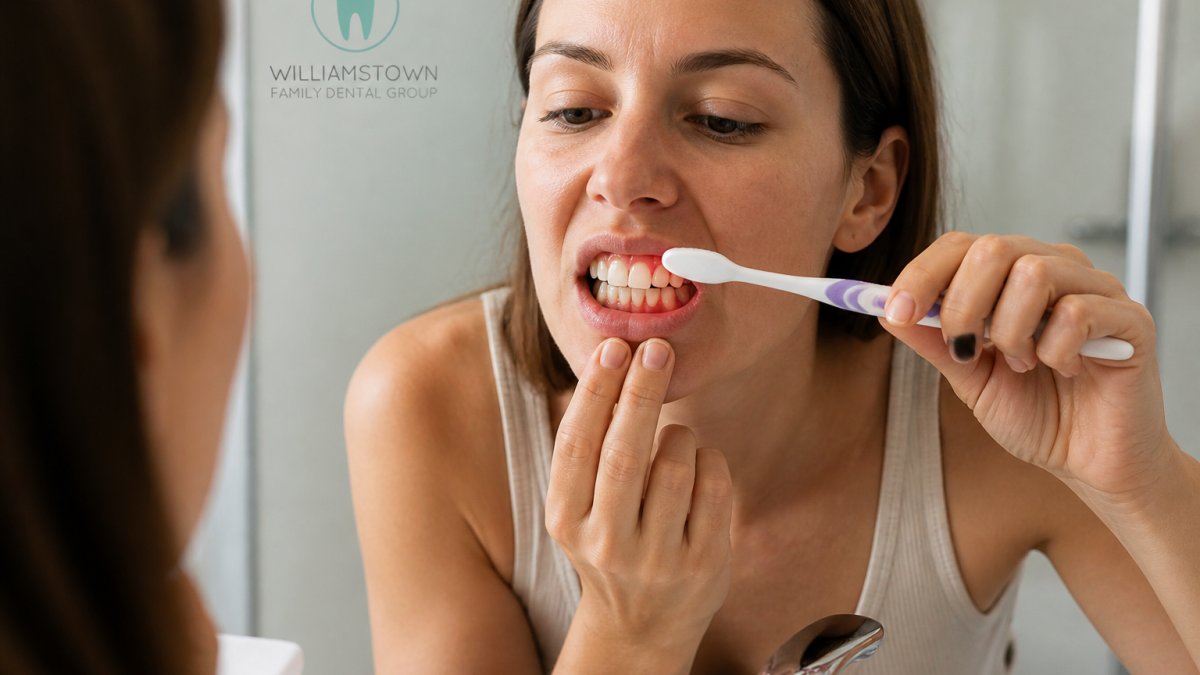
Gum bleeding usually points to inflammation. This can be early-stage gum disease or simply buildup irritating the tissue. Either way, professional cleaning helps. Your dentist can remove the buildup and show you better brushing techniques.
Some people think bleeding means they're brushing too hard. That's sometimes true, but not always. Gentle brushing should never cause bleeding. If it does, gum disease is the more likely culprit.
Tooth Sensitivity and Discomfort
Tooth sensitivity feels like a sharp pain when eating hot, cold, or sweet foods. It happens when the protective layer of your tooth wears away. This exposes the inner part, which contains nerve endings.
Sensitivity can result from aggressive brushing, acidic foods, or gum recession. Sometimes it signals a cavity or cracked tooth. A dentist can identify the cause and recommend treatment.
If sensitivity appeared suddenly or affects just one tooth, that's worth investigating. Widespread sensitivity across multiple teeth often responds to special toothpaste and better brushing technique. But a professional should rule out other causes first.
Discomfort that lingers after eating or drinking is different from sensitivity. Persistent pain suggests decay, infection, or damage. This warrants prompt attention.
How Often Should You Have a Dental Checkup
Most people benefit from a dental checkup twice per year. This means one checkup every six months. This frequency catches problems early and maintains good oral health.
Some people need more frequent visits. Those with gum disease, diabetes, or a history of decay might benefit from three or four checkups yearly. Your dentist can recommend what suits your situation.
People with excellent oral health and no risk factors might manage with one checkup yearly. However, twice yearly remains the standard recommendation for most adults.
Children often need more frequent visits than adults. Their teeth are still developing, and decay progresses faster in young teeth. Ask your dentist what schedule works for your family.
At Williamstown Family Dental Group, we focus on preventive care. This makes it easy to stick to a regular schedule.
Urgent Dental Symptoms That Require Immediate Attention
Some dental issues need urgent care. Don't wait for a regular appointment if you experience these symptoms.
Severe pain that wakes you at night or doesn't respond to over-the-counter pain relief needs prompt attention. This often signals infection or deep decay.
Swelling in your face, jaw, or gums suggests infection. Facial swelling can indicate a serious problem that needs treatment quickly.
Loose teeth that weren't loose before warrant urgent assessment. This can result from injury, gum disease, or other issues.
Broken or knocked-out teeth need immediate care. If a tooth is knocked out, rinse it gently and try to reinsert it. If that's not possible, keep it in milk and get to a dentist immediately. Time matters with knocked-out teeth.
Difficulty swallowing or breathing alongside dental symptoms is a medical emergency. Call emergency services or go to hospital.
When you experience urgent symptoms, contact your dentist right away. Many practices keep emergency slots available. If you can't reach your regular dentist, an emergency dental clinic can help.
Other Signs It's Time to Book Your Appointment
Beyond the obvious symptoms, several other signals suggest a checkup is due.
Persistent bad breath
Bad breath that doesn't improve with brushing and mouthwash often has a dental cause. Buildup on teeth, gum disease, or decay can all cause persistent odour.
Your dentist can identify whether the problem is dental or something else. If it's dental, professional cleaning and better hygiene usually help. If it's not dental, your dentist can point you toward other professionals who can help.
Jaw pain or clicking
Jaw pain or a clicking sensation when you open your mouth deserves investigation. This can result from teeth grinding, bite problems, or jaw joint issues.
Your dentist can assess your bite and recommend solutions. Sometimes a night guard prevents grinding. Other times, orthodontic work or other treatments help. The key is getting it checked before the problem worsens.
Loose or shifting teeth
Teeth that feel loose or seem to be shifting position need urgent attention. This can signal advanced gum disease or other serious problems.
Loose teeth in adults aren't normal. Early intervention can sometimes save the tooth. Delayed treatment often means tooth loss.
If you notice any of these signs, contact your dentist promptly. Catching problems early keeps your teeth and gums healthy.
What Happens During a Routine Dental Checkup
Understanding what to expect during a checkup helps you feel more comfortable. A routine appointment typically takes 30 to 45 minutes.
Your dentist begins with a visual examination. They look at your teeth, gums, tongue, and throat. They check for decay, gum disease, and other issues. This examination is thorough but doesn't hurt.
X-rays are often part of a checkup. These reveal problems between teeth and below the gum line that aren't visible to the eye. X-rays help catch decay early.
Professional cleaning comes next. A hygienist removes buildup and tartar that brushing can't reach. This cleaning is painless but might feel slightly uncomfortable if your gums are sensitive or inflamed.
Your dentist then reviews findings with you. They explain any problems and recommend treatment if needed. They also discuss your oral hygiene routine and suggest improvements.
Fluoride treatment often finishes a checkup. This strengthens your teeth and helps prevent decay.
The entire process is designed to maintain your oral health and catch problems early. Regular checkups mean fewer surprises and better long-term outcomes.
Dental problems rarely announce themselves with fanfare. They develop quietly while you go about your life. By the time you notice pain, significant damage has often occurred. This is why recognising signs you need a dental checkup matters so much.
At Williamstown Family Dental Group, our experienced team specialises in catching problems early through preventive dentistry. We use state-of-the-art technology and a family-friendly approach to make checkups comfortable. Our preventive focus means fewer emergency visits and simpler, less invasive treatment for you and your family.
If you've noticed any of the signs covered here, don't wait. Book your checkup with us today. With our Saturday availability and preferred provider status with major health funds, getting care that fits your schedule is straightforward. Make an appointment and let us help you keep your smile healthy.
Frequently Asked Questions
What are the most common signs you need a dental checkup?
The most common signs include bleeding gums when brushing, visible discolouration or staining, tooth sensitivity to hot or cold, persistent bad breath, and visible cracks or chips in your teeth. You may also notice swelling in your gums, jaw pain, or teeth that feel loose. If you experience any of these, it's time to book an appointment with your dentist to prevent minor issues from becoming serious problems.
How often should you have a dental checkup?
Most people benefit from a dental checkup every six months. This preventive approach allows your dentist to identify and treat issues early before they develop into more complex problems. Some individuals with gum disease, a history of cavities, or other risk factors may need more frequent visits. Your dentist can recommend a schedule tailored to your specific oral health needs during your appointment.
Is bleeding when brushing a sign you need to see a dentist?
Yes, bleeding gums when brushing is a sign you should see your dentist. While occasional mild bleeding might result from brushing too hard, persistent bleeding often indicates gum inflammation or early-stage gum disease. Your dentist can assess the cause and recommend appropriate treatment, which may include improved brushing technique, professional cleaning, or other interventions to restore your gum health.
What dental symptoms need urgent attention?
Seek urgent dental care for severe tooth pain, swelling in your face or jaw, signs of infection such as fever with dental pain, a knocked-out tooth, or persistent bleeding from your mouth that won't stop. Trauma to your teeth or mouth, difficulty swallowing or speaking due to dental issues, and large cavities also warrant prompt attention. Contact your dentist immediately or visit an emergency dental service if you experience any of these urgent symptoms.