 blog
7 Qualities of the Best Family Dentist for Your Needs
Last Updated: October 25, 2026
Quick Summary
The best family dentist combines clinical expertise with genuine care for every age group, delivering quality treatment across all ages without shuffling you between specialists. Look for accredited practices with modern technology, strong infection control standards, and a preventive care focus that prioritises building trust through honest recommendations rather than sales-driven treatment.
- Verify accreditation and ask about strict infection control standards, including TGA-approved sterilisation protocols.
- Choose a practice with genuine children's experience that uses child-friendly language and builds confidence from early visits.
- Expect comprehensive check-ups including gum health assessment, digital X-rays, and a clear treatment plan with honest communication.
- Prioritise practices offering Saturday availability and preventive care tailored to your family's specific risk factors.
- Trust your first impression by noting how staff treat you on the phone and whether they seem genuinely interested in your family's needs.
Table of Contents
- What Makes the Best Family Dentist Stand Out
- How to Choose a Dentist That Fits Your Family's Needs
- Why a Children's Dentist Within Your Family Practice Matters
- What a Comprehensive Family Dental Check-Up Includes
- Dentures for Seniors: Finding a Practice With Expertise
- Preventive Care and Modern Technology: Non-Negotiables
- Booking Your First Family Dental Appointment
- Frequently Asked Questions
What Makes the Best Family Dentist Stand Out
A best family dentist combines clinical expertise with genuine care for every age group. You're looking for someone who understands that children need a different approach than adults, that nervous patients require patience, and that seniors often have complex dental needs alongside general care.
What separates an exceptional family dentist from an average one? The ability to deliver quality treatment across all ages without shuffling you between specialists.
The best family dentists also invest in modern technology and infection control. You should expect accredited practices that use current sterilisation standards and equipment designed to make procedures more efficient and comfortable. A practice that takes preventive care seriously will focus on stopping problems before they start rather than constantly recommending expensive treatments.
Trust matters enormously. Families often stay with a dentist for decades when they feel genuinely heard and when recommendations feel honest rather than sales-driven. The practice that takes time to explain your options, acknowledges your concerns about cost, and doesn't pressure you into unnecessary procedures earns that loyalty.
How to Choose a Dentist That Fits Your Family's Needs
Choosing the right dentist requires thinking beyond location. Yes, convenience matters, you want somewhere accessible for school drop-offs or after work. But the real decision factors are different.
Start by verifying accreditation. An accredited practice follows strict infection control standards and stays current with professional development. This isn't a nice-to-have; it's foundational. Ask directly: "Are you accredited?" A confident practice will confirm this immediately.
Next, ask about their approach to children. Many general dentists tolerate children; the best ones genuinely enjoy working with them. They'll use child-friendly language and involve parents in the process. If you're bringing a nervous child, this matters more than almost anything else.
Insurance alignment is practical but often misunderstood. Being a preferred provider for Medibank, Bupa, or HCF means the practice has negotiated rates with those funds. However, preferred provider status doesn't guarantee you'll pay nothing out of pocket, it depends on your specific cover.
Consider Saturday availability if you work full-time. Many families need weekend appointments, and practices that offer them tend to be more flexible overall. This often signals a practice designed around real family life rather than traditional clinic hours.
Finally, trust your first impression. Call and note how staff treat you. Do they answer questions patiently or rush you off the phone? Do they seem genuinely interested in your family's needs or just booking an appointment?
Why a Children's Dentist Within Your Family Practice Matters
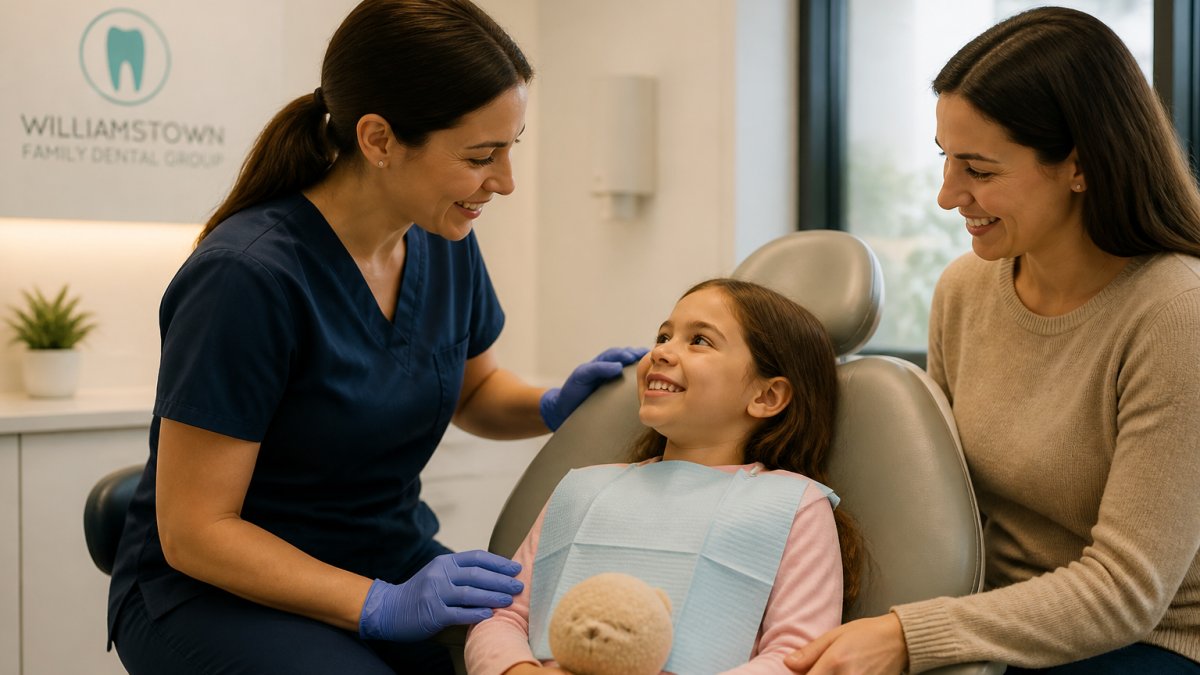
Children's dental anxiety is real, and it often stems from feeling rushed or unheard. A family dentist with genuine children's experience doesn't just manage behaviour, they build confidence that lasts into adulthood.
The advantage of a family practice is continuity. Your child sees the same dentist for their first check-up at age three and their teenage cleans. That familiarity eliminates the fear of an unfamiliar environment every time. The dentist learns your child's personality, knows what words work, and can spot developing issues early because they're tracking growth over years.
Specialist children's dentists exist, but they're not necessary for routine care. A skilled family dentist who prioritises children's comfort and uses age-appropriate techniques handles most childhood dental needs perfectly well.
Look for practices that explain procedures in child-friendly language, let children feel control (offering choices about position or music), and involve parents meaningfully. Learn how to prepare your child for their first dentist visit to build their confidence before the appointment. Caring children's dentistry in Williamstown is available through dedicated family practices that combine clinical skill with genuine warmth.
A common mistake is waiting until a child has pain before their first visit. Early visits establish comfort and catch problems when they're smallest. Practices offering this preventive approach tend to see fewer emergencies and more relaxed children overall.
What a Comprehensive Family Dental Check-Up Includes
A proper family dental check-up isn't just a quick look and a clean. It's a structured assessment designed to catch problems early and plan long-term care.
Expect your dentist to examine your teeth for decay, gum health, and bite alignment. They'll check for signs of grinding, jaw tension, or other issues you might not notice yourself.
X-rays are part of the picture. Modern practices use low-radiation digital X-rays that reveal decay between teeth and below the gum line where eyes alone can't see. Your dentist should explain what they're looking for and what they find.
Gum health assessment matters more than many patients realise. Early gum disease often shows no symptoms but can lead to tooth loss if ignored. Your dentist will measure gum pockets and look for bleeding or recession.
A thorough clean removes tartar buildup that brushing can't reach. This isn't cosmetic, tartar traps bacteria and accelerates gum disease.
Your dentist should also discuss your overall health context. Certain medications, stress levels, diet, and medical conditions all affect your teeth. Practices that connect these dots provide better preventive advice than those treating teeth in isolation.
Finally, expect a clear treatment plan if issues are found. Your dentist should explain what needs doing, why, what it costs, and what happens if you wait. Honest communication here builds trust.
Dentures for Seniors: Finding a Practice With Expertise
Dentures are far more common than many people realise, and they require specialist knowledge to fit properly and maintain well. Finding a family dentist with genuine denture expertise makes the difference between comfort and ongoing frustration.
Proper denture fitting isn't quick. Your dentist needs to take detailed impressions, understand your bite, and often make several adjustments before the fit feels right. A rushed fitting leaves you with sore spots, difficulty eating, or dentures that slip during conversation.
Look for practices that offer both full and partial dentures and understand the differences. Partial dentures replace some teeth while preserving others, requiring different design considerations. Full dentures need careful attention to how they distribute pressure across your jaw.
Comfortable, natural-looking full and partial dentures crafted in Williamstown are available through experienced denture teams. This matters significantly if you're a veteran or eligible dependent.
Ongoing care is where many seniors struggle. Dentures need daily cleaning, proper storage, and periodic adjustments as your jaw changes shape over time. A practice committed to denture care will educate you on maintenance and schedule regular check-ins.
Common mistakes include trying to adjust dentures yourself or accepting poor fit as inevitable. Neither is true. A skilled practitioner can usually improve fit significantly through professional adjustment. If your dentures have never felt quite right, it's worth seeking a second opinion from a practice with strong denture credentials.
Preventive Care and Modern Technology: Non-Negotiables
Prevention is where modern dentistry genuinely excels, yet many practices still focus on fixing problems after they appear. The best family dentists prioritise catching issues early and giving you tools to prevent them.
Preventive care means more than just regular cleans. It includes education on technique, discussion of diet's impact on teeth, and honest assessment of your risk factors. Some people are naturally prone to decay; others to gum disease.
Modern technology enables this prevention. Digital X-rays catch decay between teeth years before it becomes visible. Intraoral cameras let you see exactly what your dentist sees, making recommendations clearer. These tools don't replace clinical skill, but they amplify it.
Accredited Williamstown dental practice using modern equipment, including German Melag B-class autoclave and TGA-approved sterile protocols on every visit, demonstrates the standard you should expect. Sterilisation isn't glamorous, but it's fundamental.
Fluoride treatments remain valuable, particularly for children and older adults at higher decay risk. A practice offering fluoride as part of regular care is taking prevention seriously.
The real test of preventive focus is whether your dentist recommends treatments you need or treatments that generate revenue. Honest practitioners sometimes tell you a small issue can be monitored rather than immediately treated.
Modern family dentists invest in specific equipment and sterilisation standards that support preventive care and patient safety.
| Equipment or standard | Purpose | Expected standard |
|---|---|---|
| Digital X-rays | Detect decay between teeth and below gum line | Low-radiation technology |
| Intraoral cameras | Show patients exactly what dentist sees | Standard in quality practices |
| German Melag B-class autoclave | Sterilise instruments | TGA-approved protocols |
| Fluoride treatments | Prevent decay in high-risk patients | Offered as part of regular care |
| Dental sealants | Prevent decay on children's back teeth | Discussed during preventive planning |
Booking Your First Family Dental Appointment
The first appointment sets the tone for your entire relationship with a practice. Knowing what to expect reduces anxiety and helps you assess whether this dentist is right for your family.
Learn what to expect at your first visit to Williamstown Family Dental Group, including gentle assessment and a clear treatment plan. Understanding the practice's approach upfront helps you feel prepared rather than uncertain.
Before your appointment, gather your dental history if possible. Previous X-rays, notes on past treatments, or even just knowing whether you've had significant work done helps your new dentist understand your mouth's story. If you're new to the area, ask your previous dentist to send records if you'd like continuity of care notes.
Arrive a few minutes early to complete any paperwork. This gives you time to ask questions rather than feeling rushed. Bring your health fund card, practices need this to check your coverage and process claims correctly.
During your appointment, be honest about your concerns. If you're anxious, say so. If you've had a bad experience before, mention it. Good dentists adjust their approach based on this information.
After your appointment, you should have a clear understanding of any issues found, recommended treatments, and what happens next. If you leave confused or pressured, that's a red flag. Quality practices ensure you understand and feel confident in any decisions.
Frequently Asked Questions
What should I look for when choosing the best family dentist?
Look for a practice that treats all ages, children, adults, and seniors, under one roof. The best family dentist offers preventive care as a priority, uses modern accredited technology, holds relevant qualifications, and creates a calm environment. Check whether they accept your health insurance and offer flexible appointment times, including Saturday slots if you need them. Ask about their approach to nervous patients and experience with children's first visits.
How do I know if a children's dentist is experienced with anxious kids?
Ask directly about their experience with nervous children and what techniques they use to build comfort. A good children's dentist will explain procedures in child-friendly language, allow parents to stay during appointments, and take time to answer questions. They should have a gentle approach and be willing to work at the child's pace rather than rushing through treatment.
What does a family dental check-up typically involve?
A comprehensive family dental check-up includes a visual examination of teeth and gums, professional cleaning to remove plaque and tartar, and often fluoride treatment. The dentist will check for cavities, gum disease, and other oral health issues, and may take X-rays if needed. For children, the focus is on establishing good habits; for adults, it's preventive care; and for seniors, it includes assessment of existing restorations like dentures.
How can I ensure my health insurance covers my family's dental care?
Before your first appointment, confirm that the practice is a preferred provider with your health fund (Medibank, Bupa, HCF, etc.). Ask the practice staff what services are covered under your specific plan and what out-of-pocket costs you might face. Different plans cover different treatments at different levels, so clarifying this upfront prevents unexpected bills.
Finding the best family dentist means prioritising accreditation, children's experience if relevant, honest communication, and genuine preventive focus. The practice that takes time to understand your family's needs, rather than rushing through appointments, builds the foundation for decades of good oral health. When you've found that practice, you've found something genuinely valuable.