 how-to
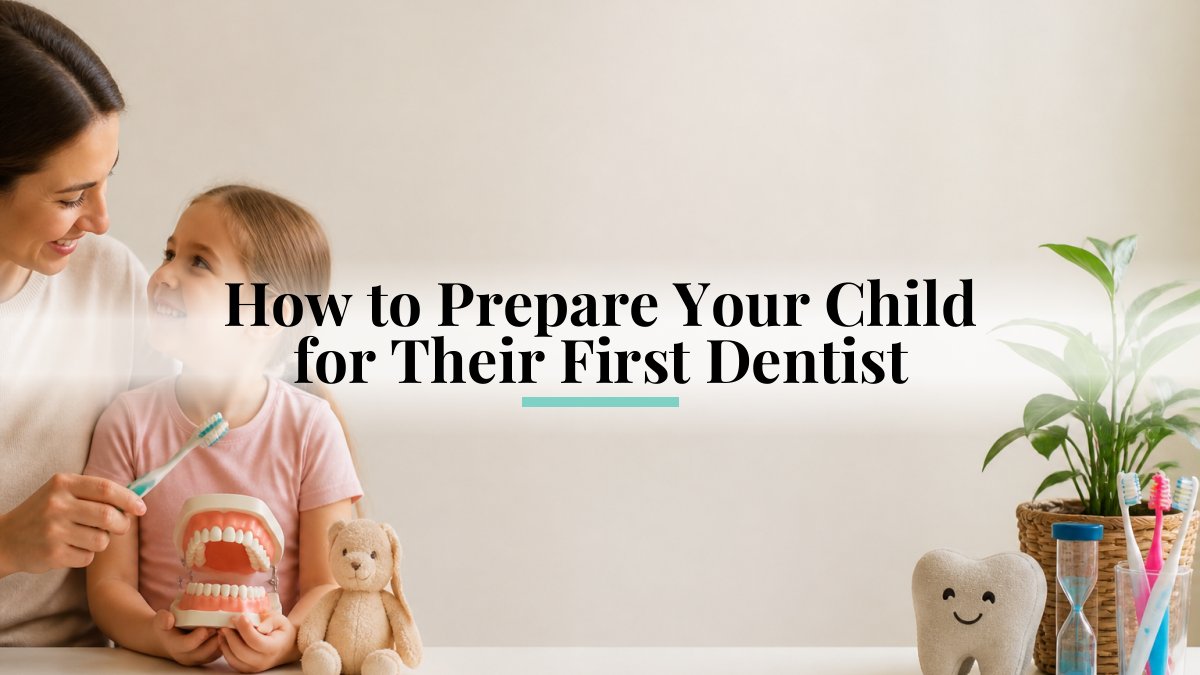
How to Prepare Your Child for Their First Dentist
Table of Contents
- Why Preparing Your Child for Their First Dentist Visit Matters
- What to Expect at a Child's First Dentist Appointment
- How to Ease a Child's Fear of the Dentist Before the Visit
- Role Play a Dentist Visit at Home
- First Dental Visit Checklist: What to Bring and Prepare
- Managing Your Child's Anxiety on Appointment Day
- Building Positive Dental Habits After the First Visit
- Frequently Asked Questions
Last Updated: October 15, 2026
Why Preparing Your Child for Their First Dentist Visit Matters
Learning how to prepare child first dentist is one of the most important steps you can take as a parent. A positive first experience shapes how your child feels about dental care for years to come.
Children often feel nervous about new situations. The dental surgery can seem strange and unfamiliar. Sounds, smells, and bright lights might feel overwhelming. When you prepare your child ahead of time, you reduce anxiety and build confidence.
At Williamstown Family Dental Group, we work with families every week who want to prepare child first dentist visits. Preparation can help children feel calmer and more cooperative during their appointment.
The good news is simple: preparation doesn't require anything complicated. It's about talking openly, using the right language, and making the experience feel normal and safe.
What to Expect at a Child's First Dentist Appointment
Your child's first dental visit is designed to be gentle and welcoming. Understanding what happens helps you explain it to your child beforehand.
The typical first appointment includes:
- A friendly introduction with the dentist and team
- A gentle examination of the teeth and gums
- A light clean to remove plaque and buildup
- Fluoride treatment to strengthen tooth enamel
- Discussion about home care and brushing habits
The dentist won't rush. They'll take time to let your child get comfortable with the environment. Many children sit in the chair, look at the tools, and ask questions before any work begins.
Your child might sit alone with the dentist, or you can stay in the room if that helps them feel more confident. Every child is different, and good dental practices adjust to what works best.
The goal of a first dental visit is simple: help your child feel safe and learn that dentists are friendly helpers. Treatment comes later, if needed. This visit is about building trust.
How to Ease a Child's Fear of the Dentist Before the Visit
Fear often comes from the unknown. When you explain what's going to happen, you remove much of that fear.
Start talking about the appointment a few weeks before. Keep the conversation light and positive. You're not trying to convince your child there's nothing to worry about. You're showing them what to expect so nothing surprises them.
Use Positive Language and Avoid Scary Words
The words you choose matter far more than you might think. Children pick up on your tone and language, and they build their own feelings based on what they hear.
Words to use:
- "Clean" instead of "scrape"
- "Check" instead of "examine"
- "Wash" instead of "drill"
- "Helper tool" instead of "needle"
- "Tickle" for the suction tool
Words to avoid:
- Pain, hurt, injection, needle, scary, afraid, drill, bad
Say things like: "The dentist will clean your teeth to keep them strong and healthy." Not: "The dentist will make sure you don't get cavities."
One small shift in language removes fear without being dishonest. You're describing the same thing in a way that feels safe to a child.
Read Stories and Watch Child-Friendly Videos
Stories and videos show your child what a dental surgery looks like. They see other children having their teeth checked. They watch the dentist being kind and gentle.
Libraries often stock children's books about going to the dentist. These resources normalise the experience before your child walks through the door.
When you read or watch together, talk about what you see. Point out the friendly dentist. Notice the comfortable chair. Ask your child questions: "See how the dentist is smiling? She's nice, isn't she?"
Role Play a Dentist Visit at Home
Pretend play is one of the most powerful ways to ease anxiety. When your child acts out the visit, they feel in control. They get to ask questions and work through their feelings.

Set up a simple pretend dentist's surgery at home. You don't need special equipment. A chair, a toothbrush, a small torch, and a cup of water work perfectly.
Take turns being the dentist and the patient. Let your child be the dentist first. This gives them power and helps them understand what the dentist does. When they're the patient, they get to experience the visit in a safe, controlled way.
During pretend play, use the positive language we discussed. Say things like: "Now I'm going to clean your teeth. I'll use this helper tool to wash them really well."
Let your child ask questions and take breaks. If something feels scary during pretend play, pause and talk about it. This is exactly what pretend play is for: working through worries before they happen in real life.
First Dental Visit Checklist: What to Bring and Prepare
Being organised on the day reduces stress for everyone. Use this checklist to make sure you're ready.
| Item | Why It Matters |
|---|---|
| Insurance card or health fund details | Speeds up check-in and reduces paperwork stress |
| Child's medical history | Dentist needs to know about allergies or medications |
| List of any concerns | Gives you time to mention what worries you |
| Comfortable clothing | Helps your child feel relaxed and at ease |
| A comfort item | Stuffed toy or blanket can soothe nervous children |
| Realistic arrival time | Arriving 10 minutes early prevents rushing |
Before the appointment:
- Talk about the visit the night before, but not days in advance (less time to build anxiety)
- Make sure your child has eaten and isn't tired or hungry
- Keep your own tone calm and positive
- Avoid saying things like "Don't be scared" or "It won't hurt"
- Plan something pleasant for after (not a reward, just something normal)
On the morning of the appointment:
- Keep the routine as normal as possible
- Brush teeth before you go (shows the dentist you care about oral health)
- Dress your child in comfortable clothes they can move in
- Leave extra time so you're not rushed
Managing Your Child's Anxiety on Appointment Day
Even with all your preparation, some children feel nervous on the day. That's completely normal. Your calm presence makes the biggest difference.
In the waiting room:
- Keep conversation light and positive
- Don't quiz your child about what they remember
- Let them look at books or quiet toys
- Stay seated near them so they feel secure
If your child feels scared:
- Validate their feelings: "I know you feel nervous, and that's okay"
- Remind them you're right there
- Use a signal (like raising your hand) if they need a break
- Breathe together: slow, deep breaths calm the nervous system
- Trust the dentist to work at your child's pace
During the appointment:
- Let the dentist lead. Don't hover or give instructions
- Stay calm and confident in your expression
- Sit where your child can see you, but don't talk during the procedure
- Praise your child's bravery afterwards
Most children surprise their parents with how brave they are. Once they see that nothing scary happens, their confidence grows quickly.
Building Positive Dental Habits After the First Visit
The first visit is just the beginning. What you do after shapes your child's long-term relationship with dental care.
Celebrate the visit:
- Praise specific things: "You were so brave in the chair" or "You asked great questions"
- Don't use rewards that link dental visits to treats (this sends mixed messages)
- Simply acknowledge their courage
Keep up regular brushing:
- Brush twice daily with fluoride toothpaste
- Make it fun with songs, timers, or brushing together
- Let your child choose their own toothbrush
- Model good habits by brushing your own teeth
Schedule regular check-ups:
- Book the next appointment before you leave the surgery
- Aim for check-ups every six months
- Consistency builds comfort and prevents problems
Talk positively about teeth:
- Point out that strong teeth help you eat, smile, and talk
- Notice when characters in books or shows have healthy smiles
- Make dental health part of your family's normal conversation
At Williamstown Family Dental Group, we believe that children who grow up with positive dental experiences become adults who prioritise their oral health. The habits and attitudes you build now last a lifetime.
Preparing your child for their first dentist visit doesn't have to feel stressful. With simple conversation, positive language, and a calm approach, you can help your child feel confident and safe. When you're ready to book that first appointment, Williamstown Family Dental Group is here to make the experience as welcoming as possible for your whole family. Our experienced team works with children every day and knows how to put them at ease. Get in touch to book your child's first check-up and start building a lifetime of healthy smiles.
Frequently Asked Questions
What age should a child have their first dentist visit?
Most dental professionals recommend that children have their first dental check-up within six months of their first tooth appearing, or by their first birthday, whichever comes first. Early visits help establish healthy habits and allow the dentist to monitor tooth development. Starting early also helps your child become comfortable in a dental environment before any treatment might be needed. A family dental practice experienced with young children can make this first visit a positive experience.
What should I tell my child before their first dentist visit?
Use simple, positive language to describe what will happen. Explain that the dentist is a friendly helper who checks teeth to keep them strong and healthy. Mention that the dentist will use special tools to look at and clean teeth, and that it's normal to hear gentle sounds. Avoid words like 'pain', 'injection', or 'needle'. Let your child know they can raise their hand if they need a break, and reassure them that you'll be there with them throughout the appointment.
How can I help my child feel less anxious about the dentist?
Preparation is key to easing dental anxiety in children. Role-play a dentist visit at home using a toothbrush as a pretend tool, read child-friendly books about dental visits, and watch positive videos together. Keep your own attitude calm and matter-of-fact about dental care. Avoid passing on any dental fears you may have. On the day of the appointment, arrive early so your child can settle into the environment. Choose a family dental practice known for working gently with nervous children, as their experience and child-friendly approach make a real difference.
What should I bring to my child's first dental appointment?
Bring your child's health insurance card and any relevant medical history or medication information. Have a list of any allergies or sensitivities ready. Bring a comfort item if your practice allows it, such as a favourite stuffed toy. Arrive a few minutes early with any completed forms so your child has time to adjust to the space.