 how-to
How to Find a Dentist for Seniors: A Step-by-Step Guide
Table of Contents
- What to Look for When Finding a Dentist for Seniors
- Questions to Ask a Dentist Before Booking
- Finding an Accessible Dental Clinic
- Navigating Affordable Dental Care for Seniors
- Dentures for Seniors: Finding the Right Dentist
- How to Research and Compare Local Dentists
- Making Your First Appointment
- Frequently Asked Questions
Last Updated: October 20, 2026
What to Look for When Finding a Dentist for Seniors
When you need to find a dentist for seniors, it requires careful consideration of specific needs that change with age. When you're searching for a dentist for seniors, you'll want to prioritise accessibility, experience with age-related dental issues, and a practice that understands the unique challenges older patients face.
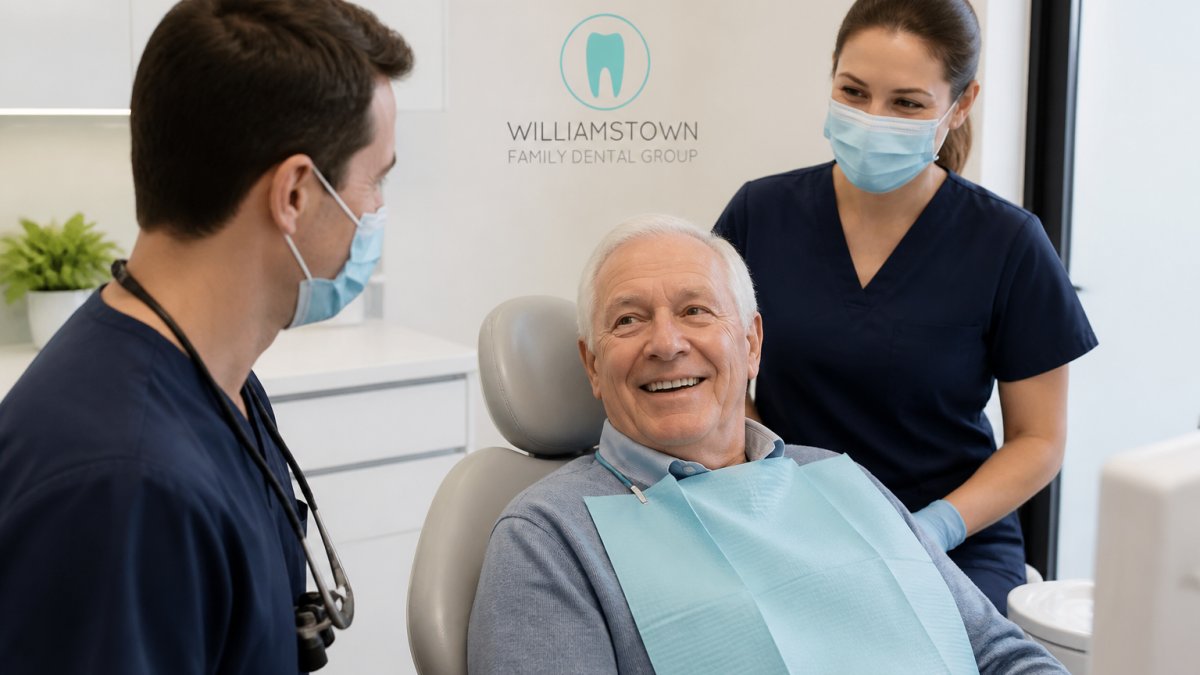
A good practice will take time to listen to your concerns and explain treatment options clearly. At Williamstown Family Dental Group, we understand that seniors often have specific dental needs, from managing existing conditions to replacing missing teeth, and we tailor our approach accordingly.
Accessibility and Mobility Considerations
Your dentist's physical environment matters significantly. Look for a practice with accessible parking, easy entry without excessive steps, and a comfortable waiting area where you can rest before your appointment.
The dental chair itself should have good support. Some practices offer chairs that recline gently and rise smoothly, which helps patients with mobility challenges. Wide doorways and accessible toilets are important features to verify when you call ahead.
Ask whether the practice has handrails in the corridors and whether staff can assist patients who need extra support. A welcoming reception team should be prepared to help you move around the clinic comfortably.
Experience with Age-Related Dental Needs
Dentists who work frequently with seniors understand conditions like dry mouth, gum disease, and the challenges of managing multiple medications that affect oral health. Ask how long the practice has been treating older patients and what specific experience they have.
Some seniors require gentle handling due to arthritis, osteoporosis, or other conditions. A dentist experienced with seniors will adjust their techniques and take breaks when needed. They'll also understand that some older patients feel anxious about dental treatment and will take time to build trust.
Questions to Ask a Dentist Before Booking
Before you commit to a new practice, ask these questions to assess whether they're the right fit for your needs.
General practice questions:
- How long have you been practising dentistry?
- What is your approach to preventive care versus treatment?
- Do you take time to explain procedures before starting?
- How do you handle patients who feel anxious about dental visits?
Age-specific questions:
- What experience do your dentists have treating seniors?
- How do you manage patients with multiple health conditions?
- Can you coordinate care with my GP or specialist doctors?
- Do you have experience fitting and adjusting dentures?
Practical questions:
- What are your appointment times, and do you offer Saturday availability?
- How quickly can you fit me in for an urgent problem?
- What happens if I need treatment I can't afford immediately?
Listen carefully to how the receptionist and dentist respond. A practice that rushes your questions or seems dismissive isn't the right choice, regardless of location or reputation.
Finding an Accessible Dental Clinic
Start your search by asking your GP for recommendations. Doctors often know which local practices handle older patients well and have good accessibility features.
Check online reviews, but focus on comments about the practice's environment and staff attitude rather than just clinical outcomes. Look for mentions of how staff treated patients and whether the clinic felt welcoming.
Call ahead and ask specific questions about accessibility. Don't rely on assumptions. A practice might say it's accessible, but you'll want to confirm there's a lift if it's upstairs, that parking is close by, and that staff can help you manage appointments.
Ask whether the practice is accredited. An accredited dental practice has met professional standards for safety, hygiene, and quality of care. According to the Australian Dental Association's accreditation standards, accredited practices follow strict protocols for infection control and patient safety.
Navigating Affordable Dental Care for Seniors
Dental care costs can feel overwhelming, but several options exist to make treatment more affordable. Understanding what you might be eligible for helps you plan ahead.
Many seniors qualify for support through their health insurance. If you hold private dental cover through Medibank, Bupa, HCF, or another provider, check what your policy covers before booking treatment. Some policies cover preventive care fully but require you to pay a percentage of restorative work.
Ask your dentist whether they offer payment plans for larger treatments. Many practices will spread costs over several months, which makes expensive procedures more manageable.
Understanding Your Health Insurance Coverage
Your health insurance policy determines what you'll pay out of pocket. Before you book an appointment, contact your insurance provider and ask:
- What preventive treatments are covered at no cost to me?
- What percentage of restorative treatment (like fillings) does my policy cover?
- Is there a waiting period for major treatments like crowns or dentures?
- What is my annual benefit limit?
Preferred provider practices often offer better coverage terms. Williamstown Family Dental Group is a preferred provider for Medibank, Bupa, and HCF, which means your out-of-pocket costs may be lower than at non-preferred practices.
Dentures for Seniors: Finding the Right Dentist
If you need dentures, finding a dentist with specific expertise in denture fitting and adjustment is important. Dentures require precision fitting, and a poorly fitted denture causes discomfort and difficulty eating.
Ask whether the dentist has experience making custom dentures and how they handle adjustments. A good dentist will schedule follow-up appointments to refine the fit and ensure your dentures work well for you.
Some dentists offer partial dentures, which replace only some missing teeth and attach to remaining natural teeth. Others specialise in full dentures. Ask which option suits your situation and why the dentist recommends it.
The process typically involves several appointments. First, the dentist takes impressions of your mouth. Then a laboratory creates your dentures. You'll return for fitting, and the dentist will make adjustments to improve comfort and function. This takes time, so allow several weeks for the complete process.
How to Research and Compare Local Dentists
Once you've narrowed your choices to two or three practices, take time to compare them carefully.
Visit each practice in person if possible. Notice whether the waiting room is clean and comfortable. Observe how staff interact with patients. Do they seem friendly and patient, or rushed and dismissive?
Ask about their approach to dental care when looking for a dentist for seniors. A practice that emphasises prevention and patient education will help you maintain your teeth longer and avoid unnecessary treatment. One that pushes expensive cosmetic procedures you don't want isn't focused on your needs.
Check whether the practice uses modern equipment. According to the Therapeutic Goods Administration's guidance on dental equipment, practices using current sterilisation technology reduce infection risk significantly. Ask whether they use a TGA-approved autoclave for sterilising instruments.
Compare appointment availability. Can you get a routine check-up within a reasonable timeframe? Do they offer Saturday appointments if that suits your schedule better?
Making Your First Appointment
Once you've chosen a practice, booking your first appointment is straightforward. Call ahead and mention that you're a new patient. Tell them about any health conditions or medications you take, as these affect your dental care.
Bring your health insurance details and any previous dental records if you have them. If you've had dental work done elsewhere, ask that practice to send your records to your new dentist. This helps your new dentist understand your dental history and plan appropriate care.
Arrive a few minutes early to complete paperwork. Be honest about any anxiety you feel about dental visits. The more your dentist knows about your concerns, the better they can help you feel comfortable.
During your first visit, the dentist will examine your teeth and gums, discuss any problems they find, and explain treatment options. A good first appointment includes education about maintaining your oral health at home.
Choosing the right dentist for seniors makes a real difference in your oral health and quality of life. The right practice takes time to understand your needs, explains treatment clearly, and creates an environment where you feel safe and respected. Williamstown Family Dental Group has been serving families in our community since 2003, with experienced dentists and a genuine commitment to preventive dentistry. We're a preferred provider for Medibank, Bupa, and HCF, and we offer two free check-ups, cleans, and fluoride treatments per year. Contact Williamstown Family Dental Group today to arrange your first appointment and discover why our patients trust us with their family's dental health.
Frequently Asked Questions
What questions should I ask a dentist before booking an appointment?
Ask about their experience treating seniors and whether they accommodate mobility needs. Enquire about appointment length, how they manage anxiety, and whether they're a preferred provider for your health insurance. Ask about their approach to preventive care versus treatment, their experience with dentures or implants, and what to expect at your first visit. Understanding their communication style and whether they take time to explain procedures helps you feel confident in your choice.
How can I find affordable dental care for seniors?
Check whether your health insurance provider, such as Medibank, Bupa, or HCF, lists preferred dentists in your area, as these practices typically offer better coverage. Ask about payment plans or staged treatment options that spread costs over time. Some practices offer preventive care packages that reduce overall expenses. Contact several dentists to compare their approach to treatment necessity; preventive-focused practices often cost less long-term than those recommending extensive procedures.
What should I look for in an accessible dental clinic?
Check whether the clinic has level entry or a ramp, adequate car parking, and accessible toilets. Ask if the waiting area has comfortable seating and whether appointments can be scheduled to minimise wait times. Confirm that staff can assist with mobility if needed and that the dental chair can be adjusted for comfort.
Can a dentist help me with dentures and ongoing maintenance?
Yes. A dentist can fit new dentures, adjust existing ones, and provide ongoing care to ensure they remain comfortable and functional. Regular denture check-ups help identify wear, fit problems, or changes to your mouth shape. A dentist experienced with dentures for seniors can advise on cleaning, storage, and how often you need adjustments. They can also discuss alternatives like implant-supported dentures if you're interested in other options.