 how-to
How to Switch to a New Local Dentist
Table of Contents
- Why You Might Switch to a New Local Dentist
- Choosing a New Dentist That Fits Your Needs
- Key Questions to Ask Before Booking with a New Dentist
- Transferring Dental Records to Your New Practice
- Changing Dentist During Treatment: What You Need to Know
- Your First Appointment at a New Dentist
- Common Mistakes to Avoid When Switching Dentists
- Frequently Asked Questions
Last Updated: October 18, 2026
Why You Might Switch to a New Local Dentist
The decision to switch to a new dentist during treatment can feel daunting. There are legitimate reasons to make the move. Maybe you've relocated and need someone closer. Perhaps your current practice doesn't offer the services you need. Or you've simply had a poor experience and want better care.
The truth is, your dental health is too important to settle for a practice that doesn't work for you. A good dentist-patient relationship builds trust. When that trust breaks down, switching makes sense.
Common reasons people change dentists include:
- Relocating to a new area and needing local convenience
- Seeking specific treatments your current dentist doesn't provide
- Experiencing rushed appointments or feeling unheard
- Wanting a practice with extended hours like Saturday appointments
- Needing a family-friendly environment for children
- Preferring a provider aligned with your health insurance
At Williamstown Family Dental Group, we understand that choosing the right dental practice is deeply personal. We're built on preventive care and genuine patient relationships. Many families switch to us because they want a practice that listens, explains options clearly, and never pressures them into unnecessary treatment.
The process of switching dentists is straightforward when you know the steps. You'll need to gather your records, research options, and plan the transition carefully if you're mid-treatment.
Choosing a New Dentist That Fits Your Needs
Finding the right dentist starts with knowing what matters most to you. Are you looking for someone who specialises in nervous patients? Do you need Saturday availability? Are you after cosmetic treatments like teeth whitening and veneers?
Make a list of your priorities before you start searching. This keeps you focused and helps you evaluate practices quickly.
Consider these factors when assessing potential dentists:
- Location and accessibility: How far is the practice from your home or work? Can you get there easily?
- Operating hours: Do they offer times that suit your schedule? Saturday appointments are crucial for busy professionals.
- Insurance acceptance: Check whether they're a preferred provider for your health fund (Medibank, Bupa, HCF, etc.)
- Services offered: Can they handle everything you need, from routine cleanings to cosmetic work?
- Practice environment: Is it welcoming and modern? Do they cater to families with children?
- Reputation: What do current patients say about their experience?
Ask your friends and family for recommendations. Personal referrals carry real weight. If someone you trust has been happy with a dentist, that's a strong signal.
Search online for reviews, but read them critically. Look for patterns rather than focusing on single complaints. One negative review among dozens of positives is normal. Multiple complaints about the same issue, like long waits or pressure to accept expensive treatments, deserve more attention.
When researching practices in your area, look for accreditation. An accredited dental practice meets strict standards for infection control, patient safety, and clinical practice. This matters more than you might think.
Key Questions to Ask Before Booking with a New Dentist
Before you commit to switch to a new dentist, contact the practice directly. Ask specific questions. Their answers tell you a lot about how they work.
Start with these essential questions:
- "What's your approach to patient anxiety?", This matters whether you're nervous or not. A practice that takes anxiety seriously creates a better experience for everyone.
- "Do you recommend treatment or do you pressure patients into it?", A good dentist explains options and lets you decide. They don't push expensive procedures you don't need.
- "How do you handle my health insurance?", Ask specifically about your fund. Clarify what's covered and what costs you'll face out-of-pocket.
- "Can I book regular Saturday appointments?", If weekend access matters, confirm they have genuine availability, not just emergency slots.
- "What's your experience with nervous patients and children?", If you're anxious or have kids, this question is critical.
- "Do you focus on prevention?", A practice that emphasises preventive care helps you avoid bigger problems down the track.
Listen carefully to how they answer. Do they rush through your questions or take time to explain? Do they ask about your concerns? A receptionist who listens and engages is a good sign.
Ask whether they offer a consultation or initial check-up. Many practices provide a thorough first appointment so you can see if it's the right fit. This gives you a chance to meet the dentist and assess the environment before committing long-term.
Transferring Dental Records to Your New Practice
Your dental records are yours to access. Most practices will release them when you ask, though they may charge a small fee for copying and postage.
Contact your current dentist's office and request your records. Be specific: ask for X-rays, treatment notes, and any charts showing existing work like fillings or crowns. This information helps your new dentist understand your history and avoid duplicating work.
You have two options for transfer:
- Direct transfer: Ask your old practice to send records directly to your new dentist. Provide the new practice's details and authorise the release. This is the simplest approach.
- Collect them yourself: Pick up copies and bring them to your first appointment with the new dentist. This takes more effort but gives you control.
If you're mid-treatment, inform both practices. Your old dentist needs to know you're switching. Your new dentist needs to understand where treatment stands. This prevents confusion and ensures continuity.
X-rays are especially important. Rather than taking new X-rays immediately, your new dentist can use your existing ones to assess your teeth and plan next steps. This saves you money and unnecessary radiation exposure.
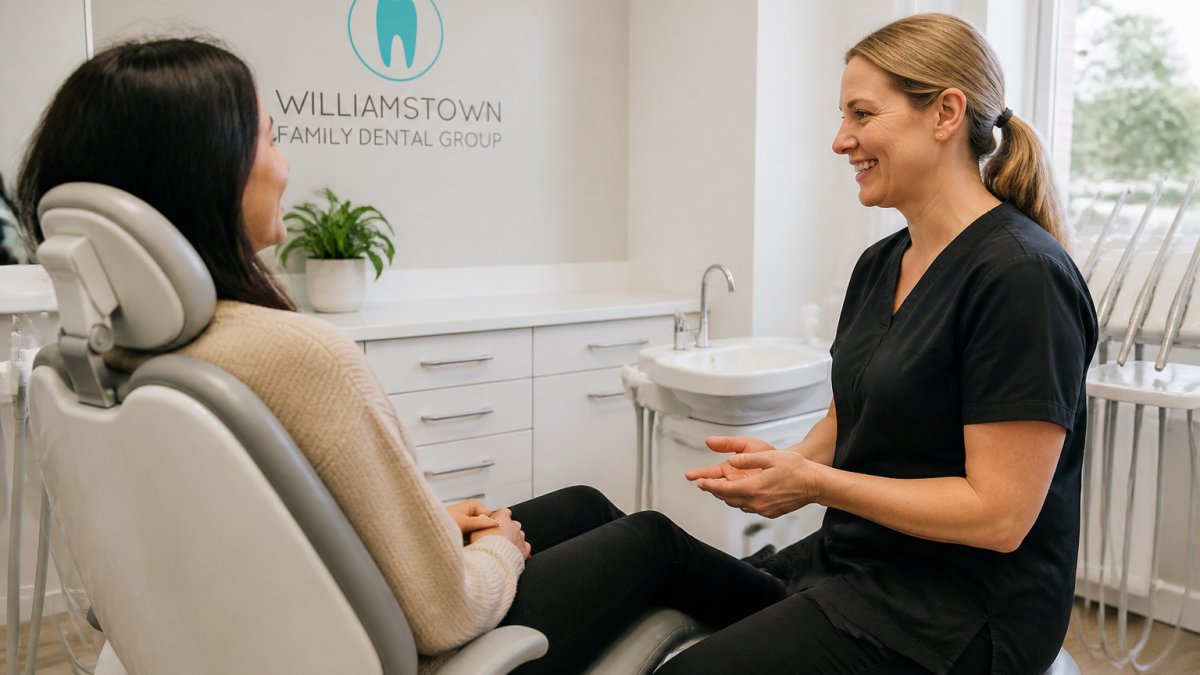
Changing Dentist During Treatment: What You Need to Know
Switching dentists mid-treatment requires extra care. You need to ensure your care continues smoothly without gaps or complications.
If you're undergoing treatment, say, a root canal or a series of fillings, inform both dentists before you switch. Your current dentist should document exactly what's been done and what remains. Your new dentist needs this information to pick up where the other left off.
Some treatments are better completed by the original dentist. A root canal started at one practice is often best finished there, for example. Ask both dentists for their advice. They may recommend you finish the current course of treatment before switching, or they may be comfortable taking over.
Cosmetic work like veneers or teeth whitening can usually transition between practices without issue. Restorative work like implants or crowns may benefit from continuity, but a qualified dentist can certainly manage the process.
Be transparent about your reasons for switching. If you're moving away, that's straightforward. If you're unhappy with your current dentist, tell your new one honestly. This helps them understand your situation and avoid repeating problems.
Never leave treatment unfinished without a plan. An incomplete root canal or exposed tooth can cause serious problems. Work with both practices to establish a clear handover.
Your First Appointment at a New Dentist
Your first appointment sets the tone for your relationship with the new practice. Go in with an open mind but also with realistic expectations.
Bring your dental records if you have them. Arrive early to complete any paperwork. Be honest about your dental history, any anxiety you experience, and your health goals.
Expect a thorough examination. A good first appointment includes a full mouth assessment, often with X-rays if recent ones aren't available. The dentist should explain what they find in plain language. They should ask questions about your oral health habits and listen to your concerns.
This is your chance to assess the practice environment. Are the staff friendly and professional? Do you feel rushed or do they take time with you? Does the dentist explain things clearly? Do they ask for your input before recommending treatment?
Many practices offer a complimentary initial consultation or assessment. This gives you a real sense of how they work before you commit. At Williamstown Family Dental Group, we believe your first visit should be comfortable and informative.
Ask about ongoing care. How often should you return for check-ups? What preventive treatments do they recommend? Do they offer regular cleaning and fluoride treatments as part of preventive care?
Common Mistakes to Avoid When Switching Dentists
Switching dentists is straightforward, but a few common missteps can complicate the process.
Don't abandon your current dentist without a plan. If you're mid-treatment, leaving abruptly can leave your teeth in limbo. Always inform your current practice before you stop attending.
Avoid choosing a dentist based solely on price. The cheapest option often cuts corners. You might save money upfront but end up paying more for poor-quality work that needs redoing.
Don't assume all dentists are the same. They're not. Practices vary widely in their philosophy, approach, and quality. Take time to find one that aligns with your values.
Don't ignore red flags. If a dentist pressures you into expensive treatment, rushes through appointments, or dismisses your concerns, trust your instincts. You deserve better.
Don't forget your records. Request them before you leave your old practice. These documents matter for continuity of care and your health history.
Avoid switching too frequently. Give a new dentist at least a few appointments to prove themselves. One bad experience doesn't necessarily mean the practice is wrong for you. But if problems persist, moving on is reasonable.
Don't hesitate to ask questions. A good dentist welcomes questions and takes time to explain. If you feel unheard or rushed, that's a valid reason to keep looking.
Switching to a new dentist is a practical decision that deserves careful thought. The right practice makes a real difference in your oral health and your overall wellbeing. Take time to research, ask questions, and trust your instincts about where you feel comfortable and heard.
At Williamstown Family Dental Group, we're committed to making your transition seamless. We accept major health funds including Medibank, Bupa, and HCF, offer Saturday appointments for busy schedules, and provide a genuinely family-friendly environment for all ages. Our experienced team focuses on preventive care and honest recommendations, never unnecessary treatment. When you're ready to switch to a practice that listens, contact us to arrange your first appointment.
Frequently Asked Questions
Do I need to tell my current dentist that I'm switching to a new dentist?
It's courteous to inform your current dentist, but not strictly necessary. If you're mid-treatment, notifying them allows them to prepare your records for transfer and ensures continuity of care. A simple phone call or note is sufficient. Your new dentist can also request your records directly, but having your current practice's cooperation makes the process smoother and faster.
Can I transfer my dental records to a new practice?
Yes, you can request your dental records be transferred to your new dentist. Contact your current practice and ask them to send your records to the new provider. Most practices comply within 5-10 business days. You can also request a copy for your own records. Having your full history, including X-rays, treatment notes, and any ongoing care plans, helps your new dentist understand your dental health and avoid repeating unnecessary tests.
Can I change dentists while I'm having treatment?
Yes, you can switch dentists during treatment, though timing matters. If you're mid-procedure (such as a root canal or crown), discuss with your new dentist how to proceed, they may continue the work or recommend completing it elsewhere first. Always transfer your records to ensure your new dentist understands what's been done. Avoid switching repeatedly during complex treatment, as this can complicate outcomes and increase costs.
What should I expect at my first appointment with a new dentist?
Your first visit typically includes a comprehensive examination, updated X-rays (if not recently done), and a review of your dental history. The dentist will assess your oral health, discuss any concerns, and create a treatment plan if needed. Bring your transferred records and a list of any medications you take. This appointment is also an opportunity to assess whether the practice feels right for you, notice the environment, staff friendliness, and whether your concerns are heard.