 how-to
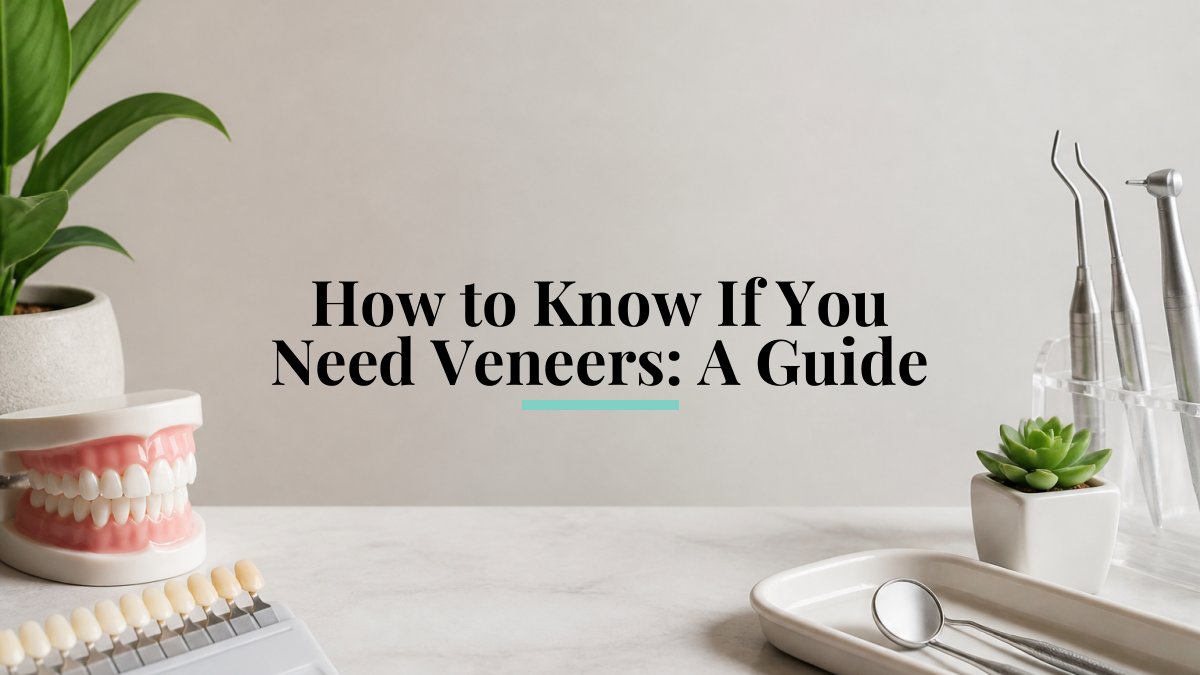
How to Know If You Need Veneers: A Guide
Table of Contents
- Signs You Might Benefit From Veneers
- Who Is a Good Candidate for Veneers
- What Do Veneers Fix
- How Long Do Veneers Last
- Alternatives to Dental Veneers
- The Consultation Process
- Benefits and Drawbacks to Consider
- Next Steps: Getting Professional Advice
- Frequently Asked Questions
Last Updated: October 17, 2026
Signs You Might Benefit From Veneers
Your smile is one of the first things people notice about you. If you're unhappy with how your teeth look, you're not alone.
Veneers are thin shells that cover the front surface of your teeth. They can address several common cosmetic concerns. Here are the main signs that veneers might be right for you.
Discoloured teeth that don't respond to whitening. If your teeth are deeply stained or yellowed, professional whitening may not work. Veneers provide a permanent solution by covering the discoloured surface completely.
Chipped or cracked teeth. Damage to your front teeth can affect your smile. Veneers restore the tooth's appearance and protect the underlying structure.
Gaps between teeth. Small spaces between your front teeth can be closed with veneers without needing braces or other orthodontic treatment.
Misaligned or uneven teeth. Veneers can create the illusion of straighter teeth and improve the overall symmetry of your smile.
Worn-down teeth. Years of wear can make teeth look shorter or flatter. Veneers restore their natural shape and length.
Oddly shaped teeth. Teeth that are naturally pointed, too wide, or irregularly shaped can be reshaped using veneers.
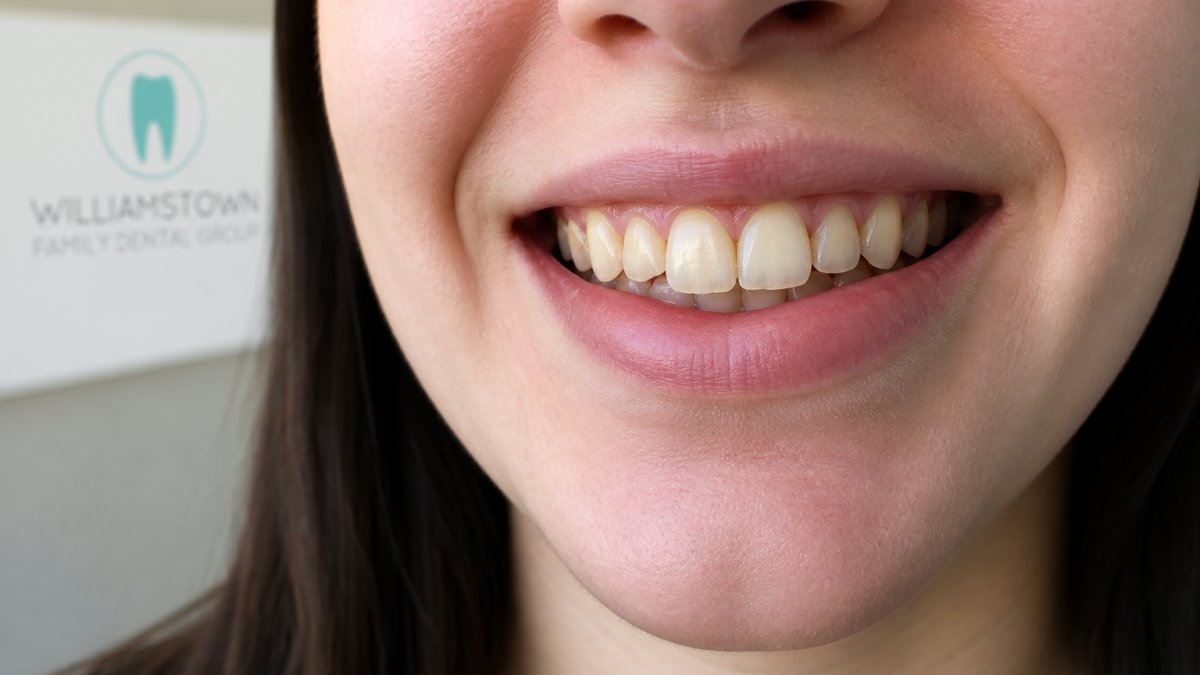
At Williamstown Family Dental Group, we see patients with all these concerns. The first step is understanding whether veneers are the best solution for your specific situation. That's where a consultation comes in.
Who Is a Good Candidate for Veneers
Not everyone is a suitable candidate for veneers. Certain factors determine whether this treatment will work well for you.
Healthy teeth and gums. Your teeth must be free from decay and your gums must be healthy. If you have gum disease or cavities, these need to be treated first. Veneers can't be placed on unhealthy teeth.
Adequate tooth structure. Your teeth need enough natural tooth remaining to support the veneer. If you've had significant tooth loss or damage, other options might be better.
Good oral hygiene habits. Veneers require the same care as your natural teeth. You'll need to brush twice daily, floss regularly, and attend dental check-ups. People who neglect their teeth aren't good candidates.
Realistic expectations. Veneers improve appearance significantly, but they're not magic. They work best when you understand what they can and cannot do. Your dentist will discuss realistic outcomes during your consultation.
Enough tooth enamel. A small amount of enamel is removed from your tooth to prepare it for a veneer. If your teeth have very thin enamel or are heavily worn, veneers may not be suitable.
Commitment to longevity. Veneers last many years with proper care, but they do eventually need replacement. You'll need to be prepared for this maintenance over time.
If you have bruxism (teeth grinding), discuss this with your dentist. Grinding can damage veneers, so additional protection might be recommended.
What Do Veneers Fix
Understanding exactly what veneers can and cannot address helps you make an informed decision. Veneers are excellent for cosmetic problems but have limitations.
Cosmetic issues veneers solve effectively:
Veneers work best for surface-level appearance problems. They cover stains, discolouration, chips, and cracks. They close small gaps and create the appearance of straighter teeth. They reshape oddly proportioned teeth and restore worn-down surfaces.
What veneers cannot fix:
Veneers don't address bite problems or significant misalignment. If your teeth are severely crooked, orthodontic treatment may be needed first. Veneers won't fix underlying bite issues that cause jaw pain or difficulty chewing.
Veneers also can't treat tooth decay or gum disease. These health issues must be resolved before veneer placement.
Cosmetic versus restorative.
It's important to distinguish between cosmetic and restorative dental work. Cosmetic work improves appearance. Restorative work repairs damage and maintains function. Veneers are primarily cosmetic, though they do restore the appearance of damaged teeth.
At Williamstown Family Dental Group, we help patients understand this distinction. Some people need restorative treatment first, then cosmetic enhancement. Our preventive approach means we address health concerns before considering cosmetic options.
How Long Do Veneers Last
Longevity is an important consideration when deciding whether veneers are right for you. Understanding how long they last helps you plan for the future.
Veneers typically last between 7 to 15 years, depending on several factors. Some people enjoy their veneers for 20 years or more. Others may need replacement sooner.
Factors that affect veneer lifespan:
Your daily habits significantly impact how long veneers last. People who grind their teeth wear veneers faster. Those who bite their nails or chew on hard objects cause damage. Smoking can stain veneers and weaken the adhesive bond.
The quality of the veneer material matters too. Porcelain veneers typically last longer than composite resin veneers. Porcelain is more durable and resists staining better.
Your oral hygiene routine is crucial. Excellent brushing, flossing, and regular dental visits extend veneer life. Neglecting your teeth leads to decay underneath the veneer, which requires replacement.
Maintenance extends lifespan.
Treat your veneers like natural teeth. Brush twice daily with a soft-bristled toothbrush. Floss daily to remove food and bacteria. Avoid chewing on hard objects like ice or pen caps.
Attend regular check-ups at Williamstown Family Dental Group. We monitor your veneers and address any issues early. Professional cleans help maintain the bond between veneer and tooth.
Wear a mouthguard if you play contact sports. Protect your veneers from accidental damage.
Alternatives to Dental Veneers
Veneers aren't the only option for improving your smile. Several alternative treatments address different cosmetic concerns.
Teeth whitening. Professional whitening is the simplest, least invasive option for discolouration. It works well for surface stains and yellowing. Results last several months to a few years. This is often the first step before considering veneers.
Dental bonding. Composite resin bonding is less expensive than veneers. Your dentist applies tooth-coloured resin directly to your tooth. It works for chips, cracks, and small gaps. Bonding lasts 5-10 years and can be repaired easily. It's less durable than veneers but requires less tooth preparation.
Orthodontic treatment. Braces or clear aligners straighten teeth over time. This option works best for significant misalignment or bite problems. Treatment takes longer but addresses the root cause of crooked teeth.
Crowns. If a tooth is severely damaged, a crown might be better than a veneer. Crowns cover the entire tooth, not just the front surface. They're more protective for teeth with extensive damage.
Gum contouring. If your smile shows too much gum, gum contouring reshapes the gum line. This simple procedure can dramatically improve your smile's appearance.
Implants. For missing teeth, implants are a permanent solution. They look and function like natural teeth. This option is more invasive and expensive than veneers.
The best choice depends on your specific concerns and goals. During your consultation, your dentist will discuss which option suits you best.
The Consultation Process
Before committing to veneers, you'll have a thorough consultation. This appointment is crucial for determining if veneers are right for you.
What to expect during your consultation:
Your dentist will examine your teeth and gums carefully. They'll assess your oral health and identify any issues needing treatment first. They'll discuss your smile goals and listen to what you want to improve.
Your dentist will take photographs of your current smile. These images help with treatment planning and show the potential results.
Digital imaging or mock-ups may be used to show you what your smile could look like with veneers. This helps you visualise the final result before committing.
Your dentist will explain the veneer process step by step. They'll discuss how much tooth preparation is needed, how many appointments you'll need, and what aftercare involves.
Questions to ask your dentist:
Ask about the materials used. Porcelain and composite resin have different properties and costs.
Ask about the timeline. How many appointments will you need? How long does the process take?
Ask about longevity and maintenance. What's the expected lifespan? What daily care is required?
Ask about reversibility. Veneers involve permanent tooth modification. Understand what happens if you change your mind later.
Ask about costs and payment options. Discuss what your health insurance might cover.
At Williamstown Family Dental Group, we take time to answer all your questions. We believe informed patients make better decisions about their dental care.
Benefits and Drawbacks to Consider
Like any dental procedure, veneers have advantages and disadvantages. Understanding both sides helps you make the right choice.
Key benefits of veneers:
Veneers dramatically improve your smile's appearance. Results are immediate and transformative. Many people report increased confidence after veneer placement.
They're minimally invasive compared to other cosmetic procedures. Tooth preparation is minimal, and the procedure is relatively quick.
Veneers look natural. Modern porcelain veneers closely match your natural teeth in colour, translucency, and texture.
They're durable and long-lasting. With proper care, veneers last many years.
They resist staining better than natural teeth. Porcelain doesn't absorb stains like tooth enamel does.
Important drawbacks to consider:
Veneer placement is permanent. Some natural tooth structure is removed during preparation. This process cannot be fully reversed.
They require replacement eventually. Even with excellent care, veneers don't last forever.
Initial cost is significant. Veneers are more expensive than some alternative treatments.
They can chip or crack if you bite hard objects or experience trauma. Repairs or replacement may be needed.
Veneers can sometimes look artificial if not properly matched to your natural teeth. Choosing an experienced dentist is crucial.
They require excellent oral hygiene. Decay underneath a veneer is more difficult to treat.
Some people experience temporary sensitivity after veneer placement. This usually resolves within a few days.
Veneers aren't suitable for everyone. Certain dental conditions make them inappropriate.
Next Steps: Getting Professional Advice
Deciding whether veneers are right for you requires professional guidance. The information here provides a foundation, but your individual situation is unique.
Book a consultation with a qualified dentist. This is the essential first step. A thorough examination and discussion with your dentist will clarify whether veneers suit your needs and goals.
During your consultation, be honest about your expectations and concerns. Discuss your budget and timeline. Ask all your questions.
Your dentist will assess your teeth and gums. They'll identify any health issues requiring treatment first. They'll discuss realistic outcomes based on your specific situation.
At Williamstown Family Dental Group, we provide comprehensive consultations for cosmetic dental procedures. Our experienced team takes time to understand your goals and concerns. We discuss all available options, not just veneers.
We believe in preventive dentistry and ethical treatment recommendations. We won't recommend veneers unless they're genuinely the best solution for you.
If you've had anxious experiences at other dental practices, know that we prioritise your comfort. Our family-friendly environment welcomes patients of all ages. We work with major health funds including Medibank, Bupa, and HCF, making quality dental care more accessible.
The decision to get veneers is personal. Take time to gather information and consult with professionals. Your smile is worth the careful consideration.
Deciding whether you know if you need veneers is a conversation between you and your dentist. At Williamstown Family Dental Group, we're committed to honest, ethical recommendations based on your actual needs.
Frequently Asked Questions
How do I know if I need veneers?
You might benefit from veneers if you have chipped, cracked, or severely stained teeth that don't respond to whitening, gaps between your teeth, or teeth that are slightly misaligned or uneven in shape. A dentist can assess your smile during a consultation and discuss whether veneers suit your goals and tooth health. Not everyone needs them, and your dentist will recommend alternatives if they're more appropriate for your situation.
Who is a good candidate for dental veneers?
Good candidates have healthy teeth and gums with minimal decay, sufficient tooth structure remaining, and realistic expectations about results. You should be committed to good oral hygiene, as veneers require the same care as natural teeth. If you grind your teeth significantly, have severe bite problems, or have very little healthy tooth structure left, veneers may not be suitable. Your dentist will evaluate your individual circumstances during a consultation.
What problems can veneers fix?
Veneers address cosmetic concerns including discolouration that resists whitening, chips and cracks, gaps between teeth, slightly crooked or uneven teeth, and worn or short teeth. They create a uniform, bright appearance and can dramatically improve your smile. However, they work best for cosmetic issues rather than severe structural problems or significant misalignment, which may require other treatments like orthodontics or crowns.
How long do veneers typically last?
Most veneers last 10 to 15 years with proper care, though some can last longer. Longevity depends on the material, your oral hygiene habits, and how well you protect them from excessive force. Composite veneers may need replacement sooner than porcelain veneers. Regular dental check-ups, avoiding hard foods, and not using your teeth as tools help extend their lifespan significantly.