 ultimate-guide
Is Teeth Whitening Safe for Everyone? A Guide
Table of Contents
- Is Teeth Whitening Safe for Everyone?
- Who Should Avoid Teeth Whitening
- Teeth Whitening Options for Sensitive Teeth
- Professional Teeth Whitening vs At-Home Kits
- Why a Dental Check-Up Before Whitening Matters
- Common Side Effects and How to Manage Them
- Frequently Asked Questions
Last Updated: 9 October 2026
Is Teeth Whitening Safe for Everyone?
Teeth whitening is one of the most popular cosmetic dental procedures, but whether teeth whitening is safe for everyone depends on individual circumstances, existing dental conditions, and the method used. At Williamstown Family Dental Group, we work with patients every week who want to brighten their smile but have concerns about safety, side effects, or whether the treatment suits their specific situation.
The short answer is no, teeth whitening isn't universally safe for all patients. Some people shouldn't whiten their teeth at all, whilst others need special precautions. Understanding who falls into these categories, what methods carry different risk profiles, and what happens before and after treatment makes the difference between a successful whitening experience and one that causes problems.
We'll walk you through the safety considerations that matter, help you understand whether whitening is right for you, and explain what professional guidance can do to protect your dental health throughout the process.
Who Should Avoid Teeth Whitening
Certain groups of people should avoid teeth whitening entirely or proceed only under professional supervision. These include patients with untreated cavities, active gum disease, or severely compromised tooth enamel.
If you have cavities, whitening agents can penetrate the damaged tooth structure and cause pain or deeper problems. Gum disease must be treated first, whitening on inflamed or receding gums can worsen the condition and lead to sensitivity that's difficult to manage. Patients with very thin enamel or a history of enamel erosion should be cautious, as whitening can accelerate wear and increase sensitivity.
Pregnant women are often advised to avoid whitening treatments until after delivery, as the safety of whitening agents during pregnancy hasn't been thoroughly studied. Children under 16 typically shouldn't undergo professional whitening because their enamel is still developing and their pulp chambers (the nerve centre of the tooth) are larger, making them more vulnerable to sensitivity.
People with certain dental work also need to think carefully. Whitening doesn't work on crowns, veneers, or bonded fillings, it only affects natural tooth structure. If you have extensive restorations, whitening may create an uneven appearance. Additionally, anyone with a history of severe tooth sensitivity should discuss whitening with a dental professional before attempting it, as the process can temporarily worsen sensitivity even in people without pre-existing problems.
Teeth Whitening Options for Sensitive Teeth
For patients with sensitive teeth, teeth whitening options for sensitive teeth exist but require a different approach than standard whitening. Professional in-chair whitening performed by a dentist allows for careful application and immediate management if sensitivity develops.
Many professional whitening systems now include desensitising agents or use lower-concentration bleach to reduce sensitivity risk. Your dentist can apply a protective barrier to your gums and exposed root surfaces before whitening begins. Some practitioners use whitening systems with built-in potassium nitrate, which actively reduces sensitivity during treatment.
At-home whitening kits designed for sensitive teeth use lower concentrations of bleach than professional treatments. Custom-fitted trays from your dentist are preferable to over-the-counter trays, which often allow bleach to contact gums and cause irritation. Using whitening strips or gel for shorter periods, perhaps 30 minutes instead of the recommended hour, can help sensitive patients tolerate the process.
Taking a desensitising toothpaste regularly before whitening (starting two weeks beforehand) can help. Some people benefit from applying fluoride gel to their teeth before whitening, as fluoride can strengthen enamel and reduce sensitivity. If you have sensitive teeth, spacing out whitening sessions rather than doing multiple treatments close together gives your teeth time to recover.
Professional Teeth Whitening vs At-Home Kits
The choice between professional and at-home whitening involves trade-offs in safety, effectiveness, and convenience. Understanding these differences helps you make an informed decision about what suits your needs.
Professional whitening performed at a dental surgery uses higher-concentration bleach (typically 15-35% hydrogen peroxide or carbamide peroxide) applied under controlled conditions. A dentist or dental therapist can protect your gums, monitor your enamel response, and adjust the treatment if sensitivity occurs. Results are usually visible after one session, and the procedure typically takes 30-60 minutes. Professional treatments are more expensive than at-home alternatives but deliver faster, more dramatic results with lower risk of gum irritation or uneven bleaching.
At-home kits come in several forms: custom trays made by your dentist, over-the-counter trays, whitening strips, or whitening gel pens. Custom trays from a dentist use lower-concentration bleach (typically 10-15%) and fit your teeth precisely, reducing the chance of bleach contacting your gums. Over-the-counter trays and strips use even lower concentrations and fit less precisely, meaning bleach may contact soft tissues. Results take longer, usually several weeks of consistent use, but the process is more affordable and convenient. The trade-off is less predictable results and a higher risk of sensitivity or gum irritation if bleach leaks onto soft tissue.
Neither approach is universally "safer", professional whitening carries less risk of user error and gum damage because a trained person controls application, whilst at-home kits allow you to whiten at your own pace and stop if sensitivity becomes uncomfortable. The safest choice depends on your enamel condition, gum health, and sensitivity history. For someone with sensitive teeth or thin enamel, professional supervision is generally the better option.
Why a Dental Check-Up Before Whitening Matters
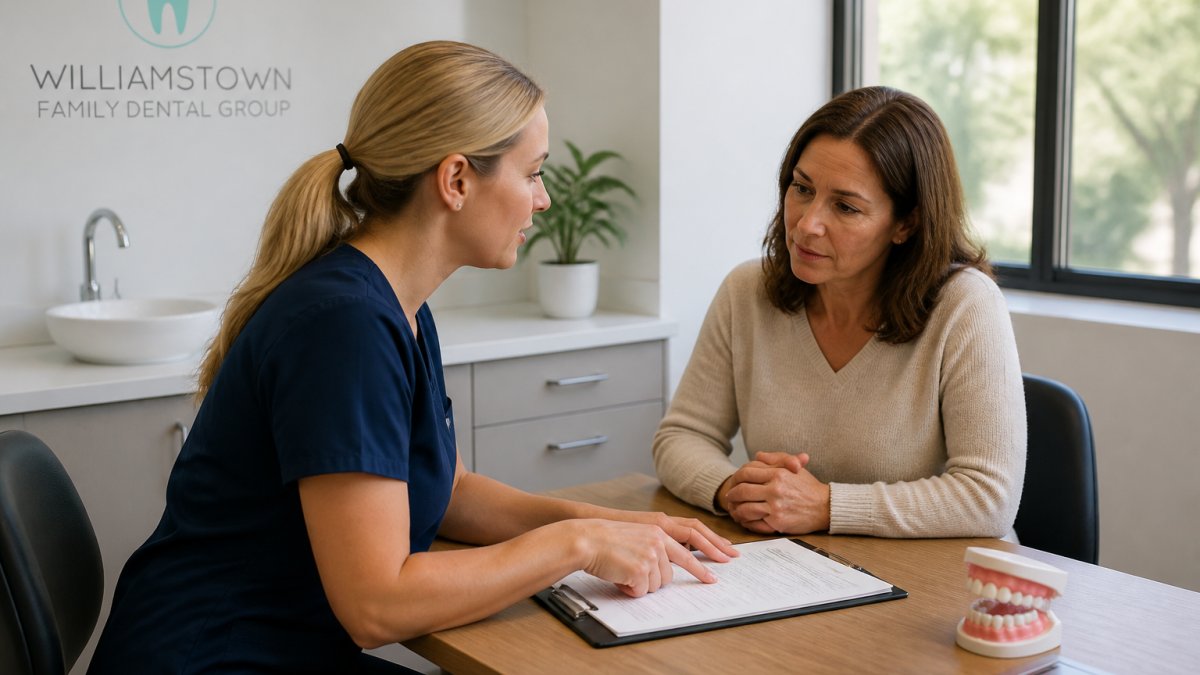
Scheduling a dental check-up before whitening isn't just a recommendation, it's essential for safe, effective treatment. A dentist can identify conditions that make whitening risky or unsuitable, treat problems that need attention first, and personalise your whitening plan.
During a pre-whitening check-up, your dentist assesses your enamel thickness, checks for cavities or cracks, evaluates gum health, and discusses your sensitivity history. If cavities exist, they must be filled before whitening begins. If gum disease is present, it needs treatment first. Your dentist can also identify which teeth may not respond well to whitening, for example, teeth that have darkened due to internal staining from old fillings or root canal treatment may not lighten as much as teeth stained by external factors like coffee or wine.
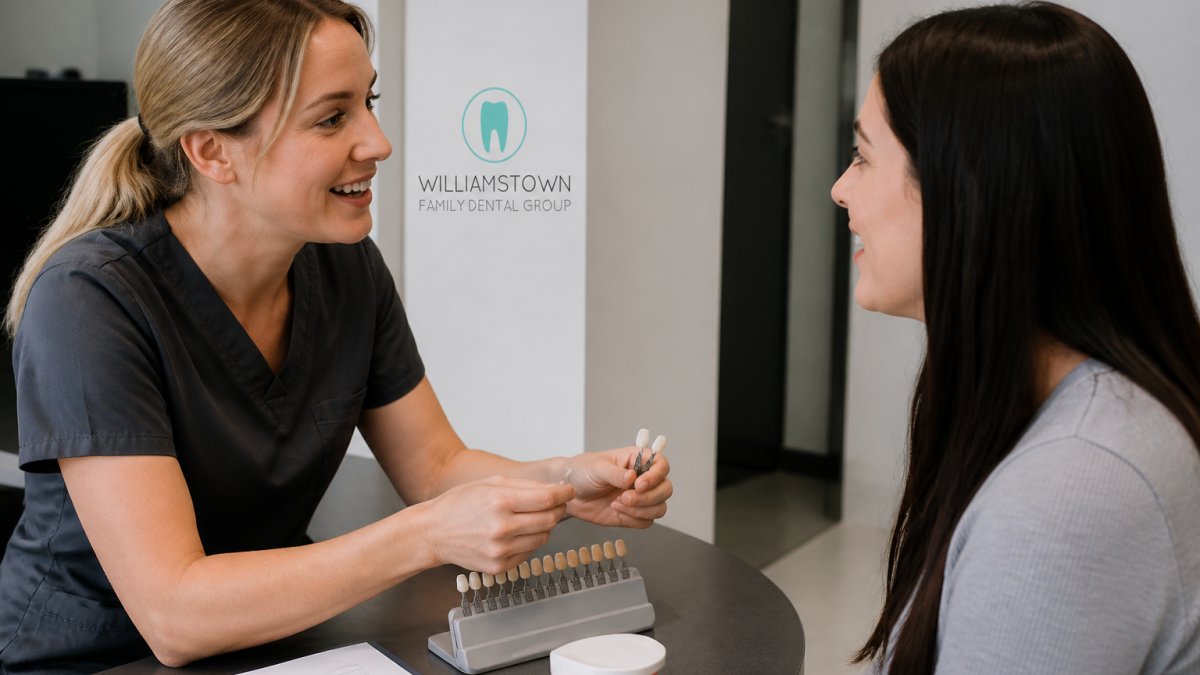
A professional assessment also establishes a baseline. Your dentist can document your current tooth shade using a shade guide, which helps set realistic expectations and allows you to compare results later. They can explain which whitening method suits your specific situation, for instance, if you have exposed root surfaces, your dentist might recommend a gentler at-home system with custom trays rather than aggressive in-chair whitening.
This check-up also gives you a chance to discuss any concerns. If you're worried about sensitivity, your dentist can recommend desensitising treatments beforehand. If you have extensive dental work, they can explain why whitening may not produce the uniform result you're hoping for and suggest alternatives like veneers or bonding if appropriate.
Common Side Effects and How to Manage Them
Most people experience mild, temporary side effects from whitening, but knowing what to expect and how to manage them prevents unnecessary worry and helps you decide if whitening is worth pursuing.
Tooth sensitivity is the most common side effect. Bleaching agents can temporarily irritate the nerve inside your tooth, causing sharp pain when you drink hot or cold beverages or eat cold foods. This usually resolves within 24-48 hours of finishing treatment, though it can last longer in people with pre-existing sensitivity. Using a desensitising toothpaste for a week or two after whitening, avoiding very hot or cold foods, and using a soft toothbrush help manage this.
Gum irritation occurs when bleach contacts soft tissue, causing redness, tenderness, or a burning sensation. Professional whitening minimises this risk through careful application and gum protection. If you're using an at-home kit and experience gum irritation, stop the treatment, rinse thoroughly, and contact your dentist. Using custom trays instead of over-the-counter ones reduces this risk significantly.
Uneven whitening sometimes happens when teeth have different types of staining or existing dental work. Internal stains (from old fillings or trauma) whiten more slowly than surface stains. Crowns and fillings don't whiten at all, so they may appear darker than your newly whitened natural teeth. Your dentist can discuss this before treatment and suggest solutions if it becomes a problem.
Temporary white spots may appear on your teeth immediately after whitening, these are areas where minerals have been temporarily removed from the enamel surface. These spots usually rehydrate and disappear within hours. If they persist, your dentist can apply a fluoride treatment to help remineralise the enamel.
Bleach sensitivity in people with very porous enamel can cause a chalky appearance or temporary brittleness. This is rare and usually resolves quickly. Using fluoride treatments before and after whitening helps prevent this.
Most side effects are manageable and temporary. Serious complications like severe gum damage or enamel breakdown are uncommon when whitening is done properly, which is why professional guidance before treatment matters so much.
| Side Effect | Typical Duration | Management Strategy |
|---|---|---|
| Tooth sensitivity | 24-72 hours | Desensitising toothpaste, soft toothbrush, avoid extreme temperatures |
| Gum irritation | 24-48 hours | Stop treatment, rinse, use custom trays in future |
| Uneven whitening | Permanent | Discuss with dentist; may need touch-ups or alternative treatments |
| White spots | Hours to days | Fluoride application, enamel remineralisation |
| Temporary brittleness | Hours to days | Fluoride treatments before and after whitening |
Teeth whitening can deliver excellent results for many people, but it's not a one-size-fits-all treatment. The safest approach is to start with a professional dental assessment. At Williamstown Family Dental Group, we help patients understand whether whitening suits their individual circumstances, identify any conditions that need treatment first, and recommend the approach that balances safety with the results you're hoping for. If you're considering whitening, book a check-up with us to discuss your options, we're here to help you make an informed decision that protects your dental health.
Frequently Asked Questions
Who should avoid teeth whitening treatments?
Children under 16, pregnant or breastfeeding women, and people with severe enamel erosion should avoid whitening. Those with untreated cavities, gum disease, or exposed root surfaces risk irritation and damage. Patients with certain restorations like crowns or veneers won't see results on those surfaces. Always consult your dentist before starting any whitening treatment to ensure it's appropriate for your specific situation.
Are professional teeth whitening treatments safer than at-home kits?
Professional whitening administered by a dentist is generally safer because it's tailored to your tooth condition and uses carefully controlled concentrations. Your dentist can assess enamel health, identify existing damage, and apply protective measures beforehand. At-home kits vary widely in strength and quality; some lack proper instructions, increasing the risk of gum irritation or enamel sensitivity. Professional supervision reduces adverse effects significantly.
What should I expect during a dental check-up before whitening?
Your dentist will examine your teeth and gums for cavities, cracks, enamel wear, and gum disease. They'll assess your enamel thickness and discuss any existing sensitivity. X-rays may be taken to check for hidden decay. This check-up ensures whitening won't cause harm and allows your dentist to recommend the safest method for your teeth. Any issues discovered should be treated before whitening begins.
Can teeth whitening damage tooth enamel permanently?
Professional whitening used as directed does not permanently damage healthy enamel. However, overuse of whitening products or using them on already weakened enamel can cause lasting sensitivity or structural damage. Enamel cannot repair itself once damaged. This is why professional guidance and limiting whitening frequency are important. Most people can safely whiten their teeth every 6-12 months under professional supervision.