 How-to
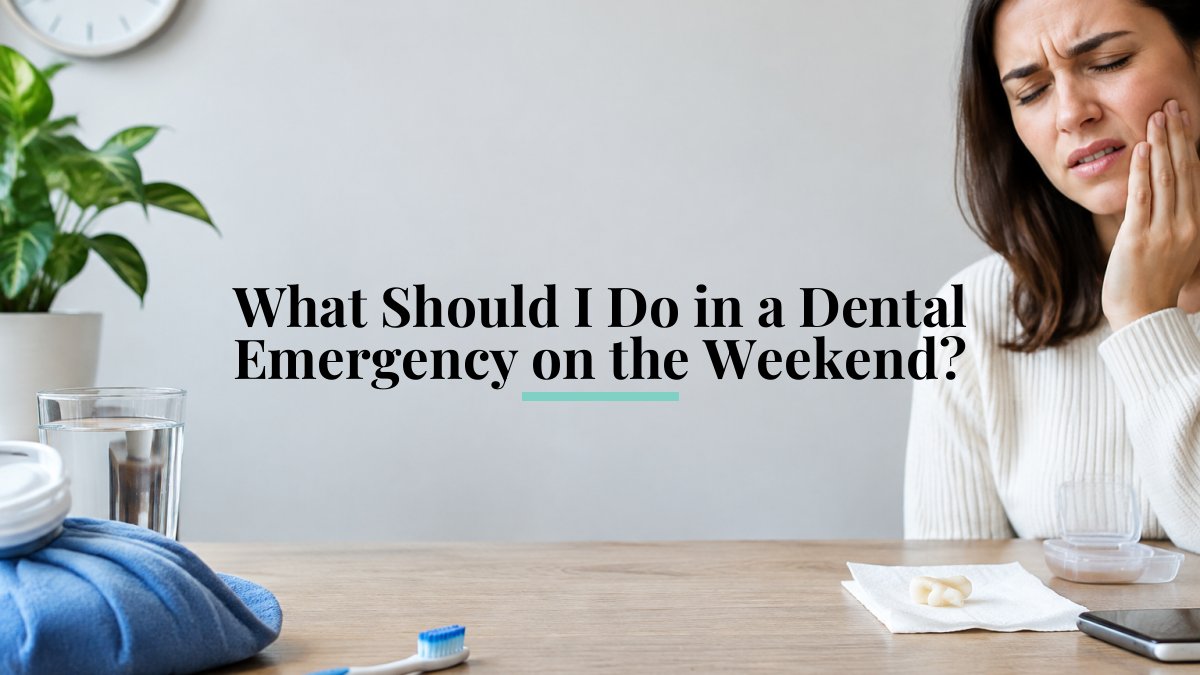
What Should I Do in a Dental Emergency on the Weekend?
Quick Summary
For a dental emergency at the weekend, first phone your regular dentist, as many leave an after-hours number. If they are closed, call healthdirect on 1800 022 222 for advice, or 000 if you have trouble breathing or swallowing. A knocked-out permanent tooth needs a dentist within the first hour.
- Listen to your dentist's full after-hours message, as the urgent number is often given last.
- Confirm by phone that any weekend clinic is open and taking urgent cases before travelling.
- Call 000 or go to hospital for trouble breathing, swallowing, or rapidly spreading swelling.
- Pick up a knocked-out permanent tooth by the crown and never scrub it.
- Do not place aspirin directly against the gum or tooth, as it can burn the tissue.
Table of Contents
- What Counts as a Dental Emergency at the Weekend
- First Steps: Contacting a Dentist or Urgent Dental Service
- What to Do for Severe Toothache While You Wait
- Knocked-Out Tooth First Aid: Act Within the First Hour
- Broken Tooth Emergency Treatment: Chips, Cracks and Lost Fillings
- When to Go to Hospital for a Dental Emergency
- Booking Your Weekend Dental Appointment in Advance
- Frequently Asked Questions
What Counts as a Dental Emergency at the Weekend
Last Updated: November 7, 2026
Knowing what counts as a dental emergency at the weekend helps you decide quickly what to do. A dental emergency is any problem that causes severe pain, heavy bleeding, swelling or damage to a tooth that needs prompt care to save the tooth or ease your suffering. Many dental problems can wait a day or two, but some cannot. A dentist can help you tell the difference.
Common dental emergencies include a knocked-out tooth, a tooth that is badly cracked or broken, severe toothache, swelling in the face or gums, and bleeding in the mouth that will not stop. A lost filling or crown is usually urgent but not life-threatening, so it is worth getting seen quickly.
Watch out: a toothache with fever, facial swelling or trouble swallowing can signal a spreading infection, so do not wait until Monday to get it checked.
Dental emergency or medical emergency? A quick triage guide
Some symptoms need a doctor or hospital rather than a dentist. Use this quick guide:
- See a dentist urgently: toothache, a broken or knocked-out tooth, a lost filling, gum bleeding or a small mouth injury.
- Call 000 or go to hospital: difficulty breathing or swallowing, swelling that spreads quickly to the eye or neck, heavy bleeding that will not stop, or a head or jaw injury with confusion or loss of consciousness.
If you are unsure, call 000 first. A medical professional can then guide you to the right care.
First Steps: Contacting a Dentist or Urgent Dental Service
Start by phoning your regular dentist, even on a weekend. Many practices leave an after-hours message with a number to call for urgent care, and some run a recorded triage line that rings through to the on-call dentist. Listen to the whole message before hanging up, because the urgent number is often given at the end.
If your dentist is closed and has no after-hours arrangement, work through this sequence rather than guessing:
- Check your dentist's website and social pages. Weekend opening hours and urgent-care instructions are often posted there before they appear anywhere else.
- Search for an after-hours or emergency dental service in your area. These are usually private practices that keep blocks of weekend appointments for urgent cases. Confirm by phone that they are open and taking new patients before you travel.
- Contact your state or territory public dental service. Public dental services have eligibility rules that differ between states and territories, so check directly with the relevant service. Ask the service directly whether you qualify for urgent care and where the nearest weekend clinic is.
- Call healthdirect on 1800 022 222 if you are unsure where to go. The nurse-on-call service can advise on the urgency of your symptoms and point you to appropriate care, including after-hours options.
- If symptoms are severe, call 000 or go to a hospital emergency department rather than continuing to ring around.
When you call any service, have these details ready so the team can triage you quickly:
- What happened and when, for example, a tooth was knocked out 20 minutes ago, or the pain started two days ago and worsened overnight.
- Which tooth or area is affected, and whether there is bleeding, swelling, fever or difficulty opening your mouth.
- Any medicines you take, including blood thinners, and any relevant medical history such as diabetes, heart conditions or allergies.
- Your private health insurance details, if you have cover, and whether you are a concession-card holder.
Watch out: do not assume a clinic listed online as 'open Saturday' is actually taking urgent cases that day, public holidays, staff shortages and booked-out schedules change availability, so always confirm by phone before travelling.
Williamstown Family Dental Group is open on Saturdays for routine appointments. Check the practice's website or call the practice directly to confirm current availability.
The steps below set out the order to try if your dentist is closed, so you can work through them without guessing.
| Step | What to do | Time or frequency |
|---|---|---|
| 1. Check dentist's website and social pages | Look for weekend hours and urgent-care instructions | Before anything else |
| 2. Search for after-hours dental service | Confirm by phone it is open and taking new patients | Before travelling |
| 3. Contact public dental service | Ask whether you qualify and where the nearest weekend clinic is | Check directly with the service |
| 4. Call healthdirect | Nurse-on-call advice on urgency and options | 1800 022 222 |
| 5. Severe symptoms | Call 000 or go to a hospital emergency department | Do not keep ringing around |
What to Do for Severe Toothache While You Wait
Severe toothache is one of the most common reasons people seek weekend dental care. While you wait for treatment, you can ease the pain at home and reduce the risk of making things worse.

- Rinse gently with warm salt water to clean the area, about half a teaspoon of salt in a glass of warm water.
- Use a cold pack wrapped in a cloth against your cheek for 15 minutes at a time, then take it off for 15 minutes.
- Keep your head raised when you lie down to reduce throbbing.
- Avoid very hot, very cold or very sweet foods that can make pain worse.
- Keep the area clean by brushing gently around the sore tooth and flossing if you can do so without pain.
Pain relief medication. Over-the-counter pain relievers such as paracetamol or ibuprofen can help, but read the packet carefully and follow the dose and maximum daily amount exactly.
What not to do while you wait. Do not place aspirin directly against the gum or tooth, as this can burn the tissue. Do not poke at the tooth with a pin or other sharp object. Do not put heat pads on your cheek, since heat can increase swelling.
Watch out: if the pain is accompanied by fever, facial swelling, a bad taste or difficulty swallowing, treat it as more urgent and seek care the same day rather than waiting for a routine appointment.
If you are unsure whether your symptoms need urgent attention, call healthdirect on 1800 022 222 for advice, or call 000 if you have difficulty breathing or swallowing.
Knocked-Out Tooth First Aid: Act Within the First Hour
A permanent tooth that has been knocked out has the best chance of being saved if it is replanted quickly. Aim to see a dentist within the first hour.
Follow these steps:
- Pick the tooth up by the crown (the white part), not the root.
- Rinse it gently with milk or saline if it is dirty, but do not scrub it.
- If you can, gently place the tooth back into the socket and hold it there with clean pressure.
- If you cannot replant it, keep the tooth moist in milk or saline, or hold it inside your cheek.
- Get to a dentist urgently.
Baby teeth are handled differently. Do not replant a knocked-out baby tooth, because this can damage the developing adult tooth underneath. Take your child to a dentist for an assessment instead.
Broken Tooth Emergency Treatment: Chips, Cracks and Lost Fillings
A chipped or cracked tooth can be sharp and cut your tongue or cheek. You can see how a tooth-coloured filling restores a chipped tooth with durable material. Rinse your mouth with warm water and cover any sharp edge with sugar-free gum or dental wax until you are seen.
If a filling or crown has come loose, keep it safe and bring it to the appointment. Avoid chewing on that side. A badly broken tooth may need more than a filling, and treatment options such as crowns, bridges or root treatment are assessed by a dentist. Learn how porcelain crowns and bridges can restore a broken or missing tooth.
When to Go to Hospital for a Dental Emergency
Go to a hospital emergency department, or call 000, if you have any of the following:
- Trouble breathing or swallowing
- Swelling that spreads to your eye, neck or throat
- Fever with spreading facial swelling
- Heavy bleeding that does not stop after 15 to 20 minutes of firm pressure
- A serious head, neck or jaw injury, especially with confusion or loss of consciousness
These signs may point to an infection or injury that needs medical care alongside dental treatment.
Booking Your Weekend Dental Appointment in Advance
The best way to handle a dental emergency is to plan ahead. Save your dentist's number in your phone, and ask your practice how they handle urgent weekend calls. Our Saturday dental appointments guide explains which Williamstown dentists are open on Saturdays and when to book. Keep a note of the nearest emergency dental options, and write down your health insurance details for quick reference.
Booking a routine check-up in advance also helps you catch problems early, before they turn into emergencies. You can book a Saturday appointment at Williamstown Family Dental Group by contacting the practice directly. The practice page lists its contact details and Saturday opening information.
Dental emergencies can be frightening, but acting quickly makes a real difference. If you are unsure what to do, call our team at Williamstown Family Dental Group on (03) 9397 6079. We will help you work out the next step and get you seen as soon as possible.
Frequently Asked Questions
What should I do if I have a dental emergency at the weekend?
Start by phoning your regular dentist, as many practices leave an after-hours message with an emergency number. If there is no answer, contact an emergency dental service or a public dental clinic that offers weekend care. Describe your symptoms clearly so the team can judge how urgent your situation is. If you cannot reach anyone and the problem is severe, or you have swelling that affects your breathing or swallowing, call 000 or go to the nearest hospital emergency department. While you wait, keep the area clean, avoid chewing on that side and take pain relief as directed on the packet.
How can I manage severe toothache until I can see a dentist?
Rinse your mouth gently with warm salty water and floss carefully to remove any trapped food. Apply a cold pack wrapped in a cloth to the outside of the cheek for short periods to ease swelling. Keep your head raised when lying down. Follow the directions on the packet for over-the-counter pain relief, and check with a pharmacist if you are unsure whether it is suitable for you, particularly if you have other medical conditions or take other medicines. Do not place aspirin or any painkiller directly against the gum, as this can burn the tissue. Severe pain with fever or facial swelling needs prompt assessment.
What should I do if a tooth is knocked out?
Hold the tooth by the crown, the part you can see, and avoid touching the root. If it is dirty, rinse it briefly in milk or saline without scrubbing. If it is a permanent tooth and you can do so safely, gently place it back into the socket and bite down on a clean cloth. If you cannot replace it, keep it in milk or saline and get to a dentist as soon as possible. Time matters, so aim to be seen within the hour. Baby teeth should not be replanted, but a dentist should still check the mouth.
When should I go to a hospital emergency department for a dental problem?
Go to a hospital emergency department if there is heavy bleeding that does not stop after firm pressure for about 15 minutes, if facial swelling is spreading or affecting your ability to open your mouth, swallow or breathe, or if you have a high fever with severe facial pain. Injuries to the jaw, face or head after an accident also need medical assessment. A dental emergency that is painful but stable can usually be managed through a dentist, but any sign of a serious infection or breathing difficulty should be treated as a medical emergency.