 blog
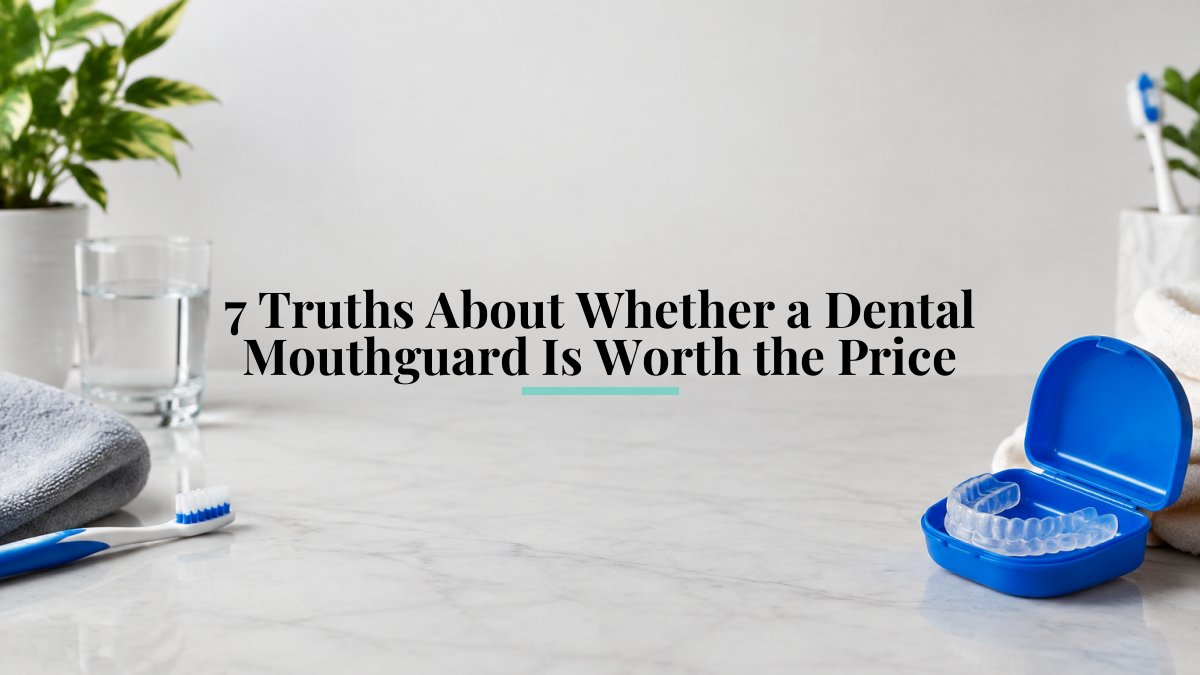
7 Truths About Whether a Dental Mouthguard Is Worth the Price
Last Updated: November 22, 2026
Quick Summary
A dental mouthguard is worth the price when you need reliable protection, because a custom-fitted guard is made from your own dental impression and fits far more closely than a boil-and-bite one. Shop-bought guards cost less but are generally not as effective, and frequent replacements can narrow the price gap.
- A custom guard is built on a dental impression, so it stays in place better than a DIY mould.
- Poor retention is the most common complaint with boil-and-bite guards.
- Count purchase price, replacements, adjustment visits and possible dental costs over the same period.
- A mouthguard for grinding protects teeth from wear but does not stop the grinding itself.
- Rinse your guard after every use and store it dry in a vented case away from heat.
Table of Contents
- Custom Mouthguard vs Boil and Bite: What the Extra Money Buys
- Custom Night Guard Cost: What You Are Actually Paying For
- Mouthguard for Teeth Grinding: Protection, Evidence and Limits
- Mouthguard Lifespan: When to Repair, Replace or Review
- Sports Guards and Night Guards Are Not the Same Thing
- When a Mouthguard May Be Unsuitable or Need Clinical Review
- Book a Fitting and Impression Appointment
- Frequently Asked Questions
Custom Mouthguard vs Boil and Bite: What the Extra Money Buys
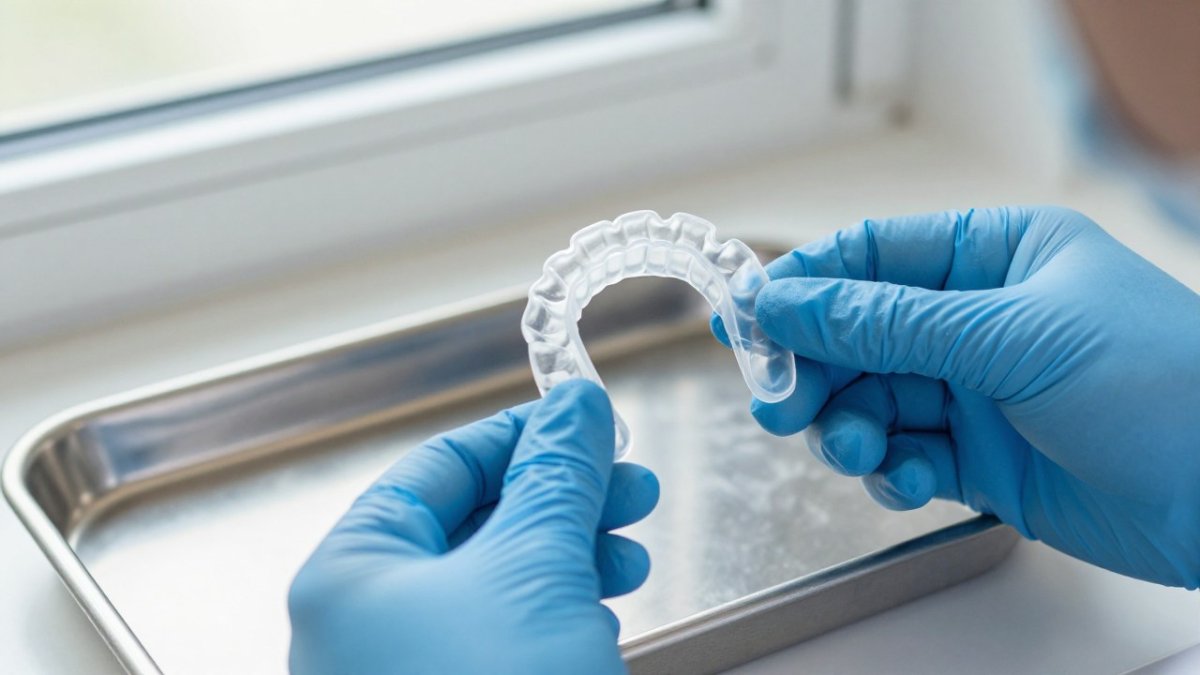
Is a dental mouthguard worth the price? For anyone weighing up a custom-fitted guard against a cheap shop-bought one, the honest answer is that it depends on what you need it to do. The difference comes down to fit, protection and how long each type lasts. A custom mouthguard is a guard made from a dental impression of your own teeth, which is why it fits more closely than anything you mould at home.
Fit, Retention and Comfort Compared
The core difference is the impression. A dentist-made guard is built on a model of your upper teeth, so it sits where it should and stays there. A boil-and-bite guard is softened in hot water and pressed onto your teeth by hand, which means the fit depends on how well you did it that morning. Poor retention is the most common complaint with DIY mouldable guards: they shift, feel bulky and make some people gag. Comfort matters more than people expect, because a guard you dislike wearing tends to stay in its case.
Limitations of Boil-and-Bite and DIY Guards
Shop-bought guards are inexpensive and quick, and for a casual weekend game they are better than nothing. The limits show up in the details. The material is often thicker and less evenly shaped, which can affect speech and breathing during sport. As Cleveland Clinic's overview of mouthguard types notes, shop-bought guards cost less but are generally not as effective as custom-made guards, whether for sport or for grinding. A boil-and-bite guard can also loosen as it ages, and there is no professional check that it fits correctly.
Custom Night Guard Cost: What You Are Actually Paying For
Custom night guard cost reflects the whole process, not just a piece of plastic. You are paying for a professional assessment, a dental impression, a guard made to that impression, and a fit check afterwards. That is why a dentist-made guard costs more upfront than an over-the-counter option. We do not quote prices here, because fees vary with the type of guard and your needs. For a clearer picture of what you might pay, read our guide to understanding out-of-pocket dental costs, and if you have cover, see whether your fund contributes via our family dental clinic health fund guide.
Like-for-Like Lifetime Cost Comparison
The upfront price is only half the story. A cheap guard that loosens, cracks or gets chewed through may need replacing far more often than a well-made one, so the yearly cost can end up closer than the sticker price suggests. This is the like-for-like comparison most buying guides skip. Ask two questions before you decide: how long is each option likely to last with the way you use it, and what does a replacement cost each time? A guard that lasts several seasons can work out cheaper per year than three or four short-lived ones.
To make the comparison fair, count four things over the same period: the purchase price, the number of replacements, any repair or adjustment visits, and the likely dental costs if the guard fails to protect your teeth. A shop-bought guard might cost a fraction of a custom one at the till, but if it is replaced every few months and still leaves you exposed to cracked enamel or a loosened filling, the gap narrows quickly.
| What you are comparing | Custom-fitted guard | Over-the-counter guard |
|---|---|---|
| Fit | Made from your dental impression | Moulded at home by hand |
| Upfront price | Higher | Lower |
| Professional fit check | Included | None |
| Typical replacement | Less frequent with good care | More frequent |
| Ongoing costs | Occasional review and cleaning | Repeated replacement purchases |
| Best for | Regular sport, grinding, clenching | Occasional, low-impact use |
Watch out: a guard that feels tight or rocks when you bite down is not protecting you evenly, and continuing to wear it can concentrate force on a few teeth rather than spreading it.
Mouthguard for Teeth Grinding: Protection, Evidence and Limits
A mouthguard for teeth grinding, also called bruxism, is a cushioning barrier between the upper and lower teeth. It does not stop you grinding. What it can do is reduce the wear on tooth surfaces and ease the load on the jaw. Research on mouthguards, such as the 2025 review of mouthguard types and properties, focuses largely on sports protection, so be wary of anyone promising a guard will cure clenching. If you wake with jaw discomfort, headaches or flattened teeth, a guard is one part of the answer and a professional assessment is the other.
What the Evidence Supports, and What It Does Not
It helps to separate the claims. Research on mouthguards is limited and largely focused on sports protection, so the evidence for grinding is not conclusive. A guard is generally understood to help protect teeth from wear, but it does not stop the grinding itself or replace treatment for an underlying bite or airway problem. Be sceptical of any product marketed as a cure, and treat a guard as one tool alongside stress management, sleep review and regular dental checks.
When a Guard May Be Unsuitable or Need Clinical Review
A guard is not right for everyone, and some situations need a dentist first. If you have loose teeth, active gum disease, untreated decay or a jaw that clicks and locks, a guard may mask a problem that needs treating. Children whose teeth are still changing may need a different approach. Seek prompt attention if you have swelling, a tooth that has been knocked out or loosened, or jaw pain that is getting worse. For general warning signs, our article on signs you need a dental checkup explains when to book.
Watch out: a guard that is worn only occasionally, or that you clench against harder because it feels bulky, can do more harm than good, if it changes how your jaw feels in the morning, have the fit reviewed rather than persisting.
Mouthguard Lifespan: When to Repair, Replace or Review
Most guards last a few years at best, and heavy grinders wear through them faster. Mouthguard lifespan depends on the material, how often you wear it and how you clean it. Signs it is time to act include a guard that no longer clips on firmly, visible thinning or holes, a cracked edge, or new jaw pain that was not there before. Rinse it after every use, store it dry in a vented case, and keep it away from heat, which warps the material. Bring it to your check-up so we can look at the fit rather than waiting for it to fail.
Sports Guards and Night Guards Are Not the Same Thing
A sports mouthguard and a night guard do different jobs, and one does not replace the other. A sports guard is built to absorb impact and protect teeth from a knock during AFL, hockey or martial arts. A night guard is built for comfort over hours of clenching and grinding in your sleep. Wearing a thin night guard on the field leaves your teeth under-protected, and wearing a bulky sports guard to bed is uncomfortable and can disturb sleep. If you are a parent, our teen dental care page covers mouthguards for sport alongside general care.
When a Mouthguard May Be Unsuitable or Need Clinical Review
A guard is not right for everyone, and some situations need a dentist first. If you have loose teeth, active gum disease, untreated decay or a jaw that clicks and locks, a guard may mask a problem that needs treating. Children whose teeth are still changing may need a different approach. Seek prompt attention if you have swelling, a tooth that has been knocked out or loosened, or jaw pain that is getting worse. For general warning signs, our article on signs you need a dental checkup explains when to book.
Book a Fitting and Impression Appointment
The only way to know whether a custom guard suits your teeth is to have them looked at. Our team takes an impression, checks your bite and talks you through the options, including custom-fitted sports mouthguards for AFL, footy, hockey and martial arts, which offer better protection than boil-and-bite and are free for HCF members. We are a preferred provider for Medibank, Bupa and HCF, open on Saturdays, and an accredited dental practice. Make an appointment with Williamstown Family Dental Group to discuss a guard that fits properly.
If you have been putting off a decision on a mouthguard, book a fitting and let us assess your teeth and bite before you spend anything. We take the time to explain what you need and what you do not, so you can choose with confidence. Call us or book online to arrange an appointment that suits your family's schedule.
Frequently Asked Questions
Is a dentist-made mouthguard worth the extra cost?
A dentist-made guard is built from an impression of your own teeth, so it stays in place and spreads pressure more evenly than a shop-bought guard. Shop-bought guards are generally cheaper but are often not as effective as custom-made mouthguards for protection against grinding or sports impact. Whether the extra cost is worth it depends on how often you grind, clench or play contact sport, and how long you expect the guard to last. A consultation will tell you which category fits your situation.
How much does a custom night guard cost?
Custom night guard cost varies with the practice, the material and the thickness required, so ask for a written quote before you commit. What you are paying for is the dental impression, the fitting appointment, the laboratory work and any reviews. Compare that against replacing a cheaper shop-bought guard several times a year, and ask whether your private health extras cover part of the fee. Check with your fund directly, because cover levels differ between policies.
How long does a custom mouthguard last?
Mouthguard lifespan depends on material, thickness, how heavily you grind and how well you care for it. A custom guard generally outlasts a boil-and-bite guard because the fit stays accurate for longer, but no guard lasts forever. Replace it when it becomes loose, cracked, discoloured or uncomfortable, or if your bite feels different. Bring it to your check-up so your dentist can inspect it alongside your teeth and gums.
Can a poorly fitting mouthguard damage your teeth?
A loose or bulky guard can slip, feel uncomfortable and encourage you to chew on it, which reduces the protection it offers. It may also sit unevenly against the bite. That does not mean a shop-bought guard is dangerous, only that fit matters as much as material. If a guard moves when you swallow or leaves your jaw sore in the morning, have it assessed rather than persisting with it.