 How-to
How to Understand Dental Implant Costs in 2026
Last Updated: November 19, 2026
Quick Summary
An implant cost covers three main components, the fixture, the abutment and the crown, plus the consultation and imaging that come before surgery. Many quotes advertise only the fixture, so always ask whether the figure includes the finished tooth. Comparing quotes on inclusions rather than headline totals is the only fair way to judge value.
- Bone grafting, extractions and sinus lifts are the most common sources of unexpected implant cost.
- In Australia, dental implants are generally claimed under extras cover rather than hospital cover.
- Extras policies pay a set benefit per item number, capped by an annual limit that may run out mid-treatment.
- Ask for a written schedule showing what is due at each stage of treatment.
- A clinical assessment with an itemised written quote is the only reliable way to know your implant cost.
Table of Contents
- Why a Dental Implant Cost Breakdown Matters
- What Is Included in Dental Implant Cost
- Factors That Change Your Implant Cost
- How to Compare Dental Implant Quotes
- Private Health Insurance and Dental Implants
- Dental Implant Payment Plans and Managing the Total
- Book a Consultation to Get Your Itemised Quote
- Frequently Asked Questions
Why a Dental Implant Cost Breakdown Matters
An implant cost is rarely a single number, and treating it as one is the fastest route to a nasty surprise on the invoice.
That matters because dental implants involve several distinct stages: assessment, surgical placement of the fixture, a healing period, then the final restoration.
Below, we show you exactly how to read an implant quote, what belongs in it, and where hidden extras usually appear.
What Is Included in Dental Implant Cost
A complete dental implant cost typically covers three components: the fixture, the abutment and the crown, plus the consultation and imaging that come before surgery. Many quotes advertise only the fixture, which is why two practices can appear to charge wildly different amounts for what sounds like the same treatment.
The Three Main Components: Fixture, Abutment and Crown
The fixture is the titanium screw placed into the jawbone. The abutment is the connector that sits on top of it. The crown is the visible tooth that attaches to the abutment.
Practices sometimes quote the fixture alone and bill the abutment and crown separately later. Always ask whether the figure you have been given is for the implant hardware only or for the finished tooth.
Consultation, Imaging and Treatment Planning Fees
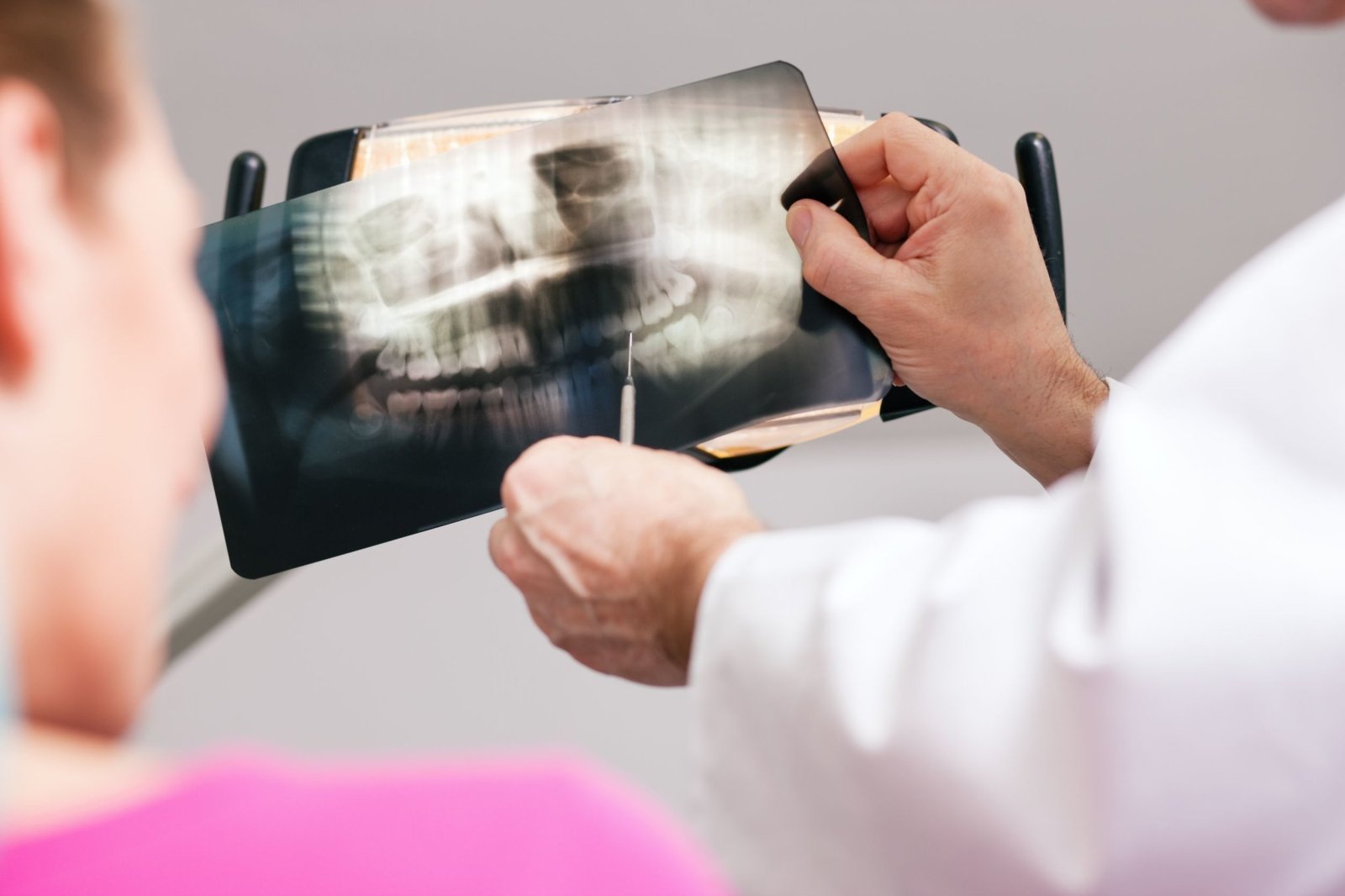
Assessment is often a separate stage and fee. It can cover the clinical examination, imaging such as a 3D scan or digital X-rays, and a written treatment plan. Imaging is generally used to assess bone volume and the position of nerves before implant surgery, so it is worth discussing with your dentist.
Factors That Change Your Implant Cost
Treatment complexity drives the price more than anything else. A straightforward single-tooth implant in good bone is a different proposition from a full-arch reconstruction, and quotes should reflect that. The variables below are the ones that most often move a quote up or down, and each should appear as its own line item rather than being folded into a headline figure.
- Bone volume. Thin or resorbed bone may need a bone graft or sinus lift before placement, adding a procedure and a healing period of several months.
- Extractions. Removing a failing tooth first adds a surgical stage and may require socket preservation to protect the site.
- Number of implants. Multiple implants or a full-arch case cost more than a single site, and the surgical and laboratory fees scale with each fixture.
- Materials. Crown material (porcelain-fused-to-metal versus monolithic zirconia) and abutment type (stock versus custom) affect the final restoration fee.
- Provider. Fees vary between practices, reflecting clinician experience, laboratory choice and overheads, so compare like with like.
Bone Grafting, Extractions and Other Preparatory Work
Preparatory procedures are the most common source of unexpected cost. Understanding what can cause an implant to fail helps you judge whether a preparatory step is worth the extra spend.
A transparent quote should show the preparatory stage as its own block, with the fee, the healing time it adds and whether it is contingent on the 3D scan. If a practice will only give you a single all-in figure, ask them to break it down in writing before you commit.
An Itemised Example Quote
Headline prices are hard to compare because practices bundle different stages. The table below shows how a transparent single-tooth quote might be structured. The figures are illustrative only and are not a quote for your treatment; your own assessment will determine the actual fees.
| Stage | What it covers | Illustrative fee (AUD) |
|---|---|---|
| Consultation and treatment plan | Examination, discussion of options, written plan | $150-$300 |
| 3D imaging (CBCT) | Cone-beam scan for bone volume and nerve mapping | $200-$400 |
| Implant fixture | Titanium screw and surgical placement | $2,000-$3,500 |
| Abutment | Connector, stock or custom | $400-$800 |
| Crown | Final restoration, laboratory fee included | $1,200-$2,000 |
| Review appointments | Healing checks and adjustments | $0-$300 total |
| Indicative total | Single tooth, uncomplicated | $3,950-$7,300 |
- Bone graft: commonly $500-$1,500 depending on site and material.
- Sinus lift: commonly $1,500-$3,000.
- Extraction: commonly $150-$500.
- Sedation: commonly $400-$800 per session.
Confirm in writing whether the abutment, crown and reviews are included before you compare totals.
Why Two Quotes for the Same Tooth Differ
Quotes for the same tooth can differ considerably. Common reasons include the laboratory used for the crown, whether the abutment is stock or custom, whether reviews are bundled, and the clinician's experience. The point is to compare inclusions rather than headline totals, since a lower quote that excludes the crown may not be cheaper once the crown is added.
Ask each practice what is included in the fee and what would trigger an additional charge if your treatment plan changes mid-course.
How to Compare Dental Implant Quotes
Compare quotes on inclusions, not on the headline figure. Two estimates for a single-tooth implant can differ substantially simply because one includes the crown and the other does not.
Use this checklist when you sit down with each quote:
- Does it state whether the fixture, abutment and crown are all included?
- Are consultation, 3D imaging and the treatment plan itemised?
- Are possible extras such as grafting or extraction listed with their own fees?
- Is there a stated fee for reviews during the healing period?
- Does it cover the final restoration and any adjustments?
If a quote cannot answer these, ask for a revised one. A guide to understanding out-of-pocket dental costs explains how to read the gap between the quoted fee and what you actually pay.
| Quote element | What to check | Why it matters |
|---|---|---|
| Fixture | Included or hardware only | The most commonly quoted figure |
| Abutment | Listed separately | Often omitted from cheap quotes |
| Crown | Included in final fee | Changes the total substantially |
| Imaging | Itemised | Needed for surgical planning |
| Graft or extraction | Listed as possible extra | Common unexpected cost |
| Reviews | Stated fee or included | Adds up over the healing period |
Private Health Insurance and Dental Implants
Private health insurance may contribute towards parts of implant treatment, but cover varies widely between funds and policies, and the gap between the rebate and the fee is usually substantial. Understanding how the cover is structured is the difference between a realistic budget and an unpleasant surprise at the front desk.
Extras Cover, Not Hospital Cover
In Australia, dental treatment is generally claimed under extras cover (also called ancillary cover) rather than hospital cover. Check with your fund how implant treatment is classified under your policy.
Extras policies pay a set benefit per item number, capped by an annual limit. The benefit is rarely the full fee, and the difference is your out-of-pocket cost.
Item Numbers and Annual Limits
Health funds identify services with item numbers, and benefit levels are set by each fund, so the same service can attract different rebates across policies.
Ask your fund three questions before you commit:
- Which item numbers apply to each stage of my treatment plan?
- What benefit does my policy pay for each of those item numbers?
- What annual limit remains on my extras cover this year, and does it reset on 1 January or on the policy anniversary?
A common pattern is that the annual limit is exhausted partway through a staged implant treatment, so the crown stage in the following benefit year attracts a fresh limit. Planning the timing of stages around your limit reset can materially change your out-of-pocket cost.
Waiting Periods
Extras cover typically carries waiting periods before benefits are payable, and major dental cover often has a longer waiting period than general dental. Check your policy's waiting periods before scheduling implant treatment.
Ask your fund whether upgrading extras cover shortly before treatment would restart a waiting period for the higher benefit, and confirm the start date in writing.
What a Rebate Realistically Covers
A rebate reduces your out-of-pocket cost but rarely covers the full fee. For a single-tooth implant, the extras rebate might cover a few hundred dollars per stage, leaving the majority as a gap.
Our guide to the family dental clinic health fund explains how limits and waiting periods typically work, and our guide to understanding out-of-pocket dental costs explains how to read the gap between the quoted fee and what you actually pay.
If You Do Not Hold Extras Cover
If you do not hold extras cover, the full fee is payable, but you can still plan. Ask the practice for a written schedule of what is due at each stage, and confirm whether payment plans are available. Some practices also accept third-party finance, which spreads the cost but may carry interest or fees, compare the total repayable, not just the instalment.
Dental Implant Payment Plans and Managing the Total
Payment plans spread the cost across treatment stages, which suits implants well because the work itself is staged over months. Some practices offer instalment arrangements, and some accept third-party finance.
Plan around the timeline, not just the total. You will usually pay for assessment and imaging first, surgery next, then the final restoration after healing. Ask for a written schedule showing what is due at each stage, and confirm whether any review appointments carry a fee.
Book a Consultation to Get Your Itemised Quote
The only reliable way to know your implant cost is a clinical assessment with an itemised quote in writing.
Williamstown Family Dental Group was established in 2003 and is an accredited dental practice and a preferred provider for Medibank, Bupa and HCF.
Book a consultation to discuss each stage, what it includes, and what your health fund may contribute.
If you have been putting off implant treatment because the pricing feels unclear, start with a written quote rather than a phone estimate.
Frequently Asked Questions
What is included in the cost of a dental implant?
A complete implant treatment usually covers three parts: the implant fixture that sits in the jawbone, the abutment that connects it to the crown, and the final crown itself. A thorough quote also lists the consultation, diagnostic imaging such as a 3D scan, and any preparatory work like a bone graft or extraction. Ask for each item separately, because some quotes bundle everything into one package price while others list stages individually. Knowing which is which lets you compare plans fairly and spot anything that might be charged later.
Does private health insurance cover dental implants?
Coverage depends on your fund and your level of extras cover, and implant treatment is often excluded or capped. Major restorative work like implants frequently attracts a waiting period, and rebates may only cover part of a crown or extraction rather than the implant itself. Check your policy and confirm your annual limits before treatment starts. Ask your fund and any dental practice you are considering for an estimate of your rebate and out-of-pocket cost in writing.
How can I compare dental implant quotes fairly?
Line up each quote side by side and check four things: whether consultation and imaging are included, whether the crown and abutment are priced separately, whether preparatory procedures like bone grafting are listed, and whether review appointments are covered. A lower headline figure can work out more expensive if extras are added later. Ask each provider for an itemised quote with inclusions and exclusions stated, plus a written estimate of the total treatment cost across all stages.
Can dental implant payment plans help spread the cost?
Many practices offer payment plans that split the total into monthly or fortnightly instalments, sometimes through a third-party finance provider with credit checks and interest. Ask whether the plan covers the full treatment or only part of it, when payments begin, and what happens if treatment stages are delayed. Combine any plan with your health fund rebate so you know the real out-of-pocket amount. Request the full schedule in writing before committing.